The future of living and building on display during Dutch Design Week
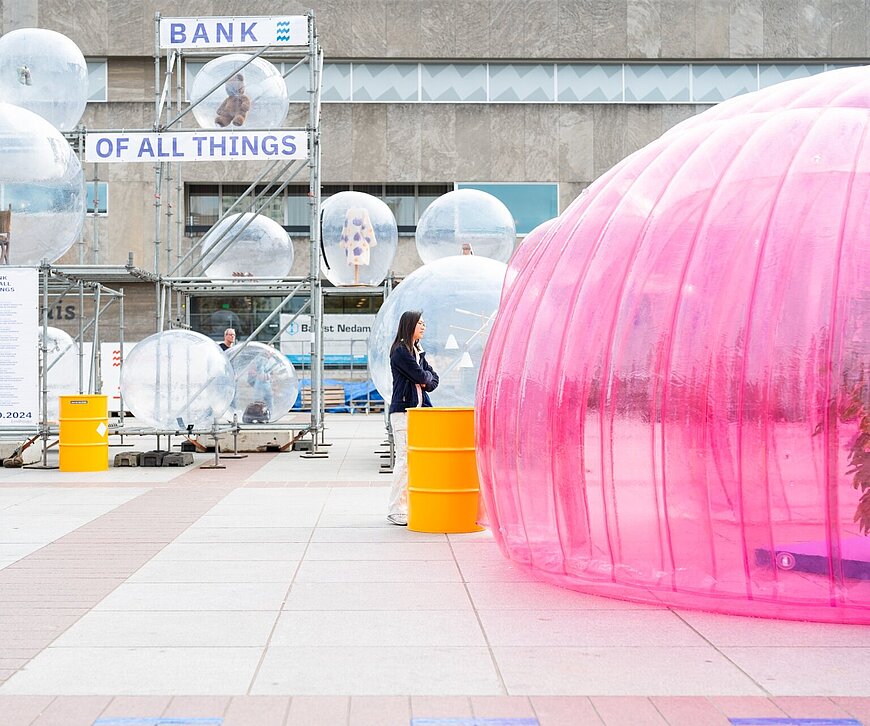
During Dutch Design Week, it becomes clear how the way we live and build is changing radically. Researchers, designers, and builders are working together on solutions that are not only more sustainable but also better suited to the diversity of how people want to live. All these perspectives come together in Brainport Eindhoven—from biobased materials and circular principles to people-centered living concepts and future scenarios for entire cities.
The common thread running through these projects is that our living environment is no longer conceived in terms of standardization, but rather in terms of flexibility, reuse, and connection with the environment. Whether it concerns 3D-printed homes, fully biobased materials, or the redesign of existing neighborhoods, the construction sector is on the eve of a transition. Housing associations, municipalities, and developers are finding inspiration here to work together on a city that is not only technically advanced, but also livable, inclusive, and resilient.
Housing association Trudo is presenting the Matchbox: a fully biobased building on Ketelhuisplein, as a tangible example of what radically sustainable housing can look like.
Five projects to check out during DDW

Future by Design
Innovations in biobased materials, 3D printing, and circular construction, hosted by TU/e.
Read more
Messy Futures
A look at 2050 with an emphasis on nature inclusivity, circular material use, and creativity, linked to the Trudo housing association.
Read more
Layers of Living - Renée Gailhoustet’s Housing
About the shift from standardized to people-centered housing.
Read more
Designs for the Material Future
An ode to biobased materials and the possibilities for tomorrow's construction industry.
Read more
Futureproof Engineering – Resilient Cities
How to transform existing neighborhoods with circular design principles and community-driven renewal.
Read more