Four regions, one mission: attracting, training and retaining talent for the semiconductor sector
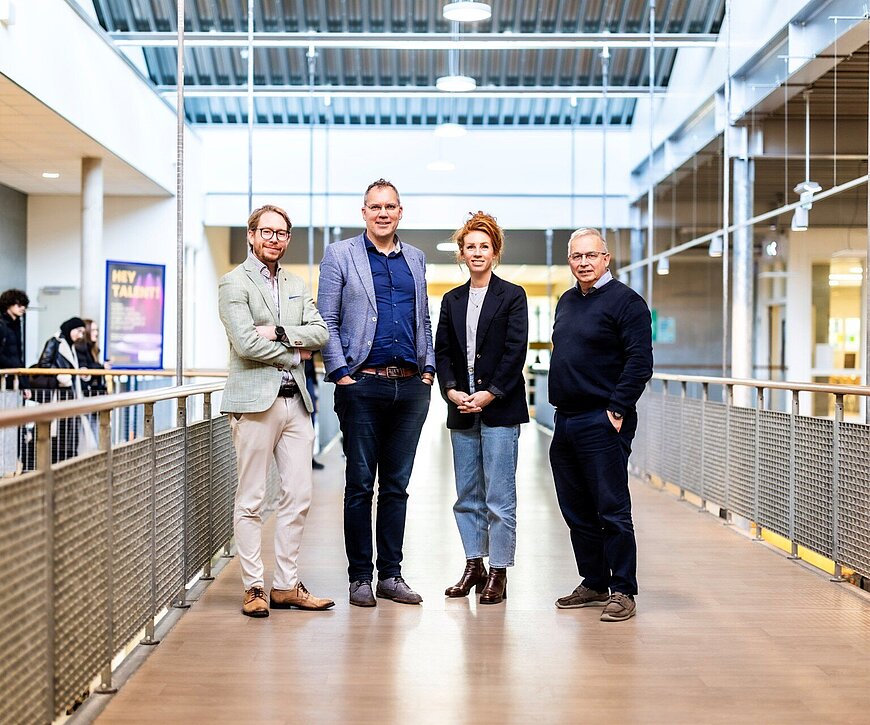
From left to right: Joost, Sietse, Auke and Eugène
For the roll-out of the Beethoven Talent Programme, regional coordinators have been appointed in four tech regions. Each of them works from their own environment and expertise on the same urgent task: attracting, training and retaining more talent for the semiconductor sector. In South Holland, the Northern Netherlands, Twente and the Brainport region, Joost van der Veen, Sietse Dijkstra, Eugène Reuvekamp and Auke van der Wijst are each working on this in their own way. A conversation about collaboration, seizing opportunities and making progress.
Auke kicks off the conversation with a description of the task ahead of us. ‘The semiconductor sector, which is important for the Netherlands' competitive position, is growing incredibly fast. Nationwide, we expect that 38,000 jobs will need to be filled in the next five years.’ In the Brainport region alone, there are around 26,000 vacancies. Some of that talent must come from initial education. 'I strongly believe in demand-driven education as a way to prevent students from dropping out early. I also see plenty of opportunities in attracting new target groups. The first initiatives are now getting off the ground and the first results of interventions are already visible.
Untapped talent
Joost recognises the urgency that Auke describes. He also speaks of a huge task. 'Precisely because it has to be realised in a country that is shrinking demographically and where education is under pressure. The regional coordinator for South Holland focuses, among other things, on utilising target groups that are currently still too often overlooked. Through a so-called regional Semicon Learning Point, educational institutions and companies are working together on retraining and reskilling programmes. Extra attention is being paid to status holders and Ukrainian refugees. ‘We want to give untapped talent a chance to get started in the semiconductor sector.’
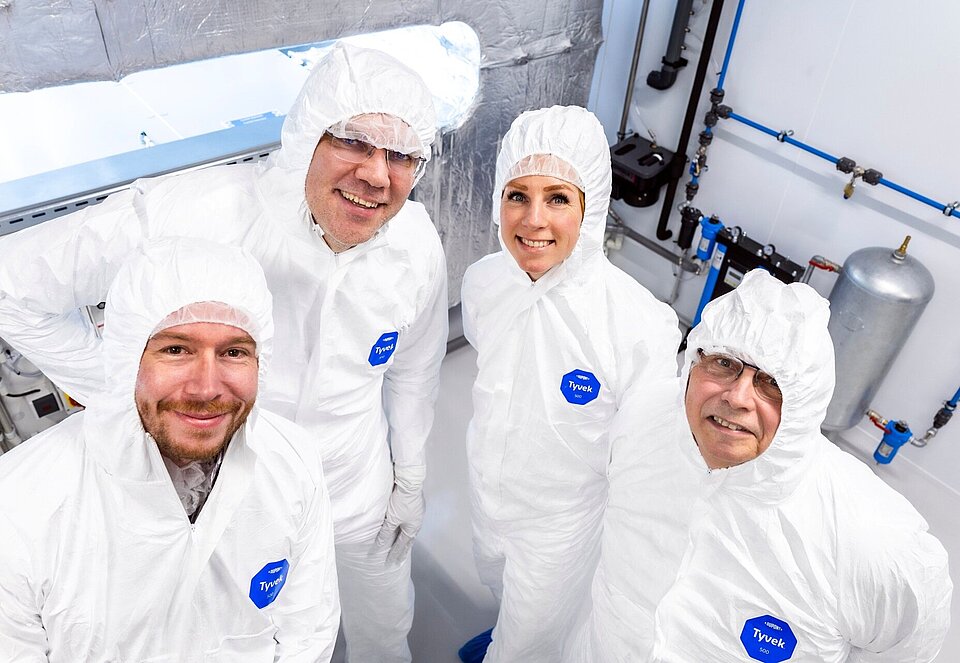
Photograph taken in the cleanroom at Ter AA vocational college.

Counteracting dropout rates
In the north of the country, Sietse is working on questions such as: how can we ensure that students who choose to study technology actually obtain their diploma? Around 30 to 40 per cent of engineering students drop out of their programmes before graduating. That is why the education sector and the business community in Friesland, Groningen and Drenthe are working together on programmes designed to reduce dropout rates. “We know that a connection with the programme and with fellow students can encourage a student to persevere,” he says.
Making the chip sector tangible
Eugène, who works in the Twente region to attract and retain talent for the semiconductor sector, focuses, among other things, on making the sector more visible.
Because before young people choose technology or semiconductors in particular, they first need to understand what that world actually entails. “We are trying to make the chip sector more tangible. A job in semicon requires a little more explanation than telling someone what a police officer or a nurse does. We do this, for example, through a campaign aimed at showing school pupils and vocational students how broad the chip chain is. We do this by informing, inspiring and activating them.”
Connectors between the regions
Although each region has its own challenges, the four regional coordinators work closely together. ‘Think of us as the connectors between the regions,’ says Auke. Topics discussed in their weekly meetings include international recruitment, lifelong development, preventing dropouts and sharing effective interventions. Sietse on this collaboration: “We learn from each other. It really feels like we're doing it together.” Joost adds to his colleagues' comments. “This makes Beethoven much more than the sum of regional projects. It is a national network in which knowledge, experiences and approaches reinforce each other.”
Curious about the first concrete successes? In the coming weeks, we will be sharing interviews with the four individual regional coordinators who will discuss the above themes in more detail. Keep an eye on our website and social media channels for more information.