SensUs 2026 challenges students to develop biosensors for Parkinson’s care
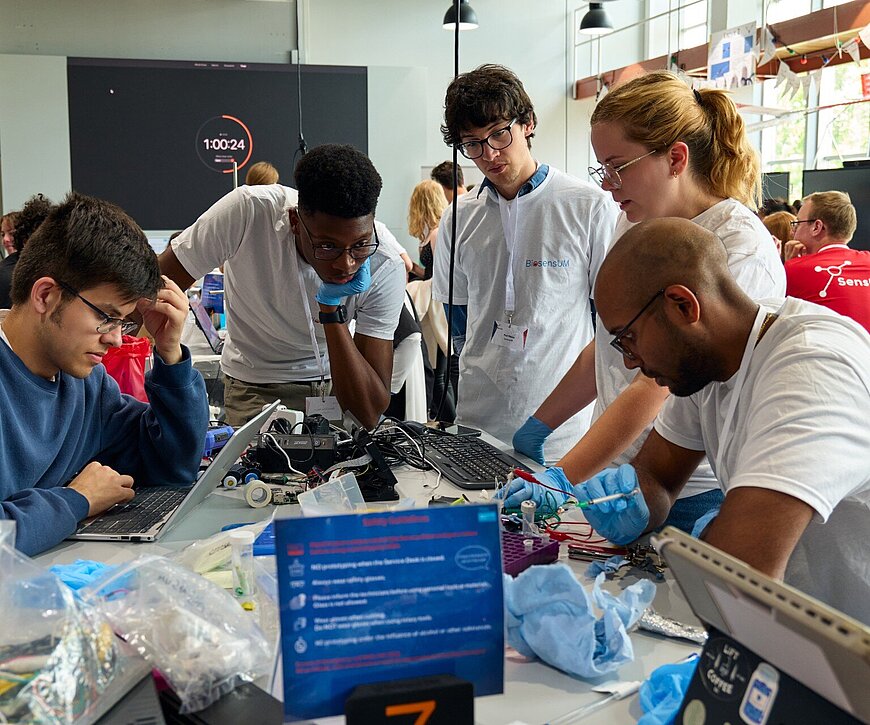

For people living with Parkinson’s disease, the condition often comes with a loss of freedom and autonomy. From the moment of diagnosis, patients face a long and uncertain journey, in which managing symptoms becomes a daily challenge.
Although there is currently no cure, treatments can help improve quality of life. The most commonly used medication is levodopa, which increases dopamine levels in the brain and alleviates motor symptoms such as stiffness and tremors. However, determining the right dosage is highly complex and often fluctuates throughout the day. Too much levodopa can lead to involuntary movements (dyskinesia) and side effects, while too little causes symptoms to return. As a result, patients are continuously monitoring their bodies and interpreting subtle signals to adjust their treatment.

Innovation in continuous monitoring
This challenge highlights the importance of innovation in continuous biosensors. These sensors measure the concentration of specific biomolecules in the body and transmit data for real-time monitoring and analysis, comparable to glucose monitoring systems used in diabetes care.
A continuous levodopa sensor could significantly improve the daily lives of people with Parkinson’s disease. By providing accurate, real-time insights, it can reduce the need for constant self-monitoring and interpretation. Instead of uncertainty, patients could rely on data-driven support to optimize their treatment and regain a sense of control.
SensUs connects students, research and industry
SensUs is a student-driven initiative that aims to accelerate the development of continuous biosensors. By connecting academia, healthcare and industry, SensUs contributes to innovation within the Brainport Eindhoven ecosystem.
Each year, student teams from around the world spend seven months developing and prototyping biosensors. Their work culminates in a week-long competition at Eindhoven University of Technology, where the technologies are tested and presented.
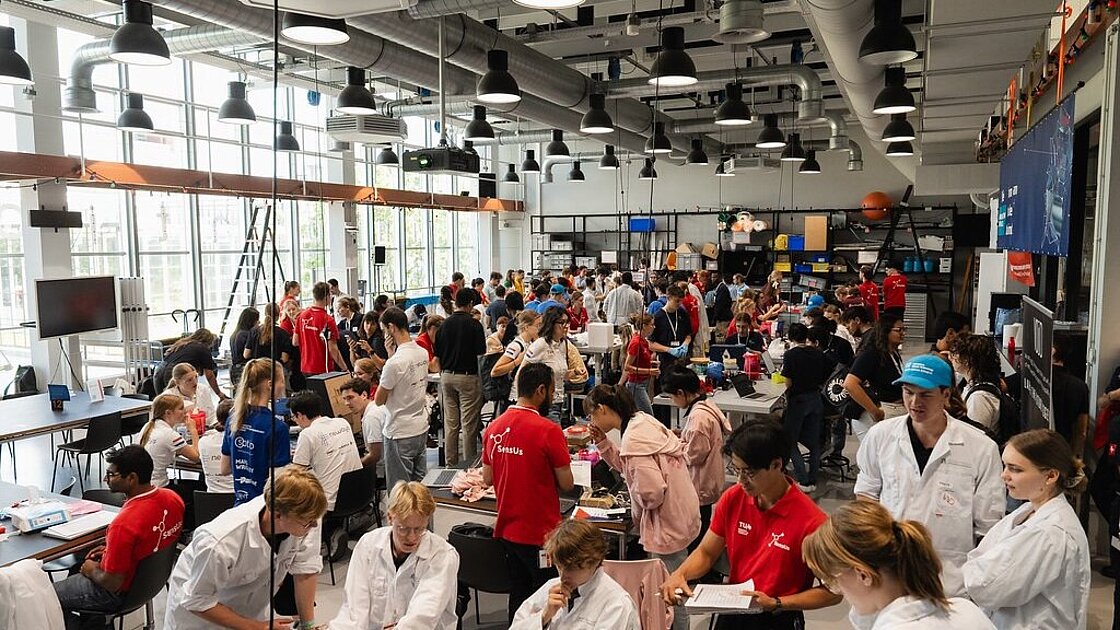
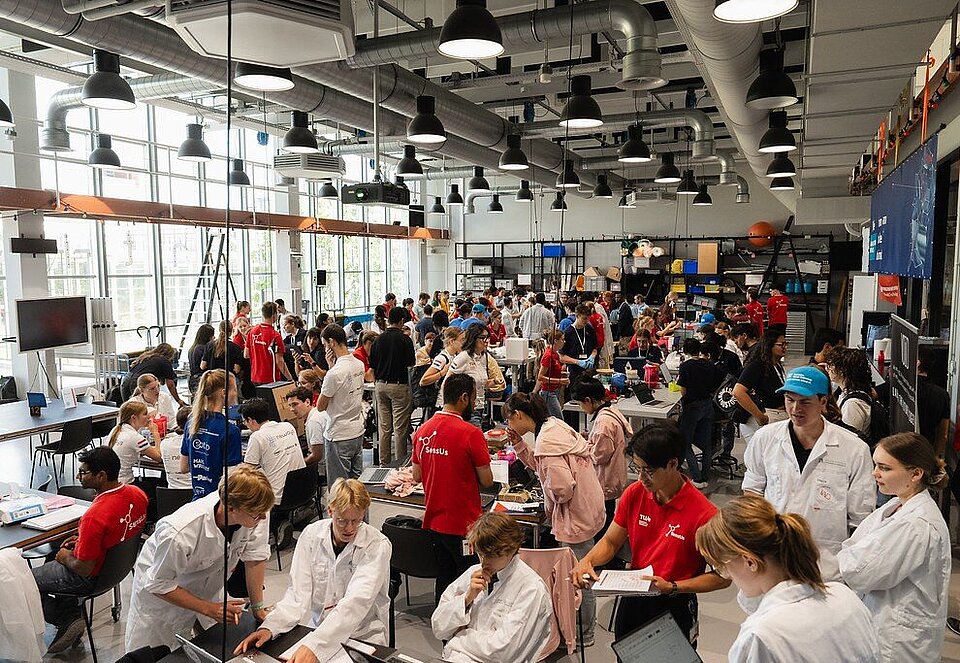
Focus on Parkinson’s disease in 2026
In SensUs 2026, student teams are challenged to develop biosensors for the continuous monitoring of levodopa. The long-term goal is to contribute to better treatment and an improved quality of life for people living with Parkinson’s disease.
“I want to live out of my own spirit: I am not a victim of Parkinson’s, I just have it.”
Els Haring