DITM Day 2025: working together to keep making real progress
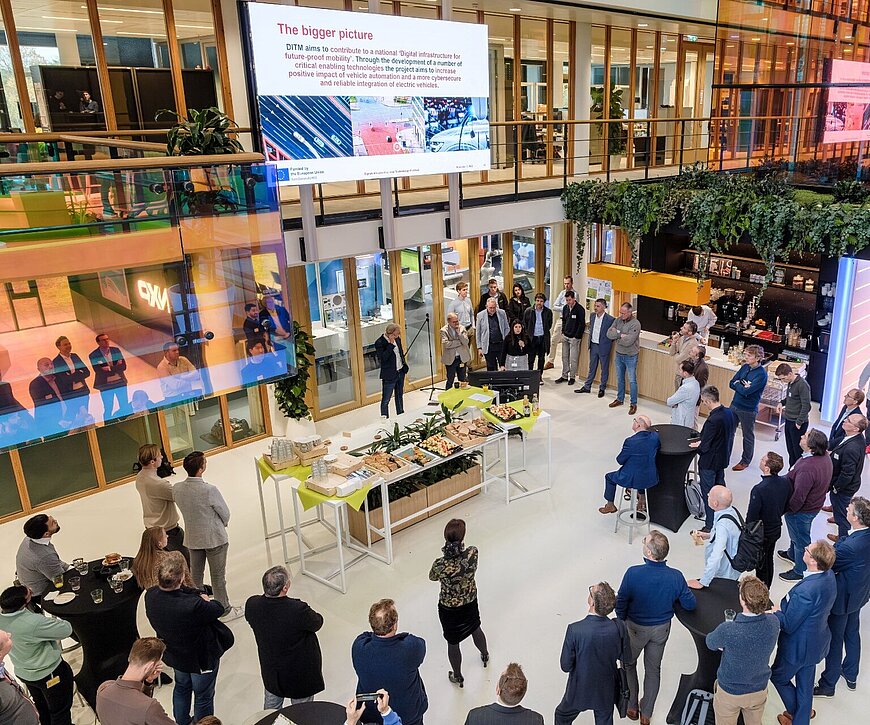
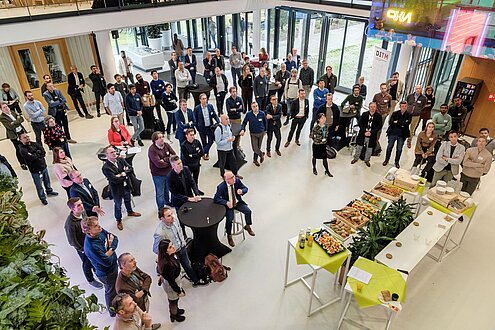
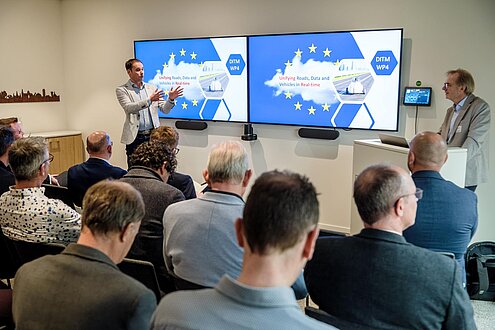
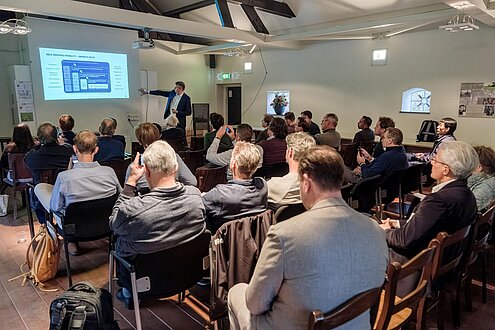
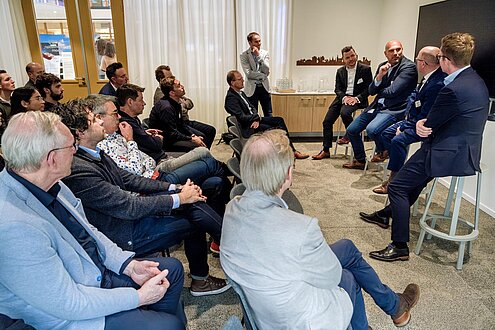
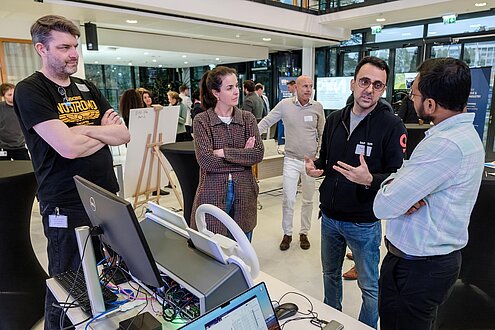
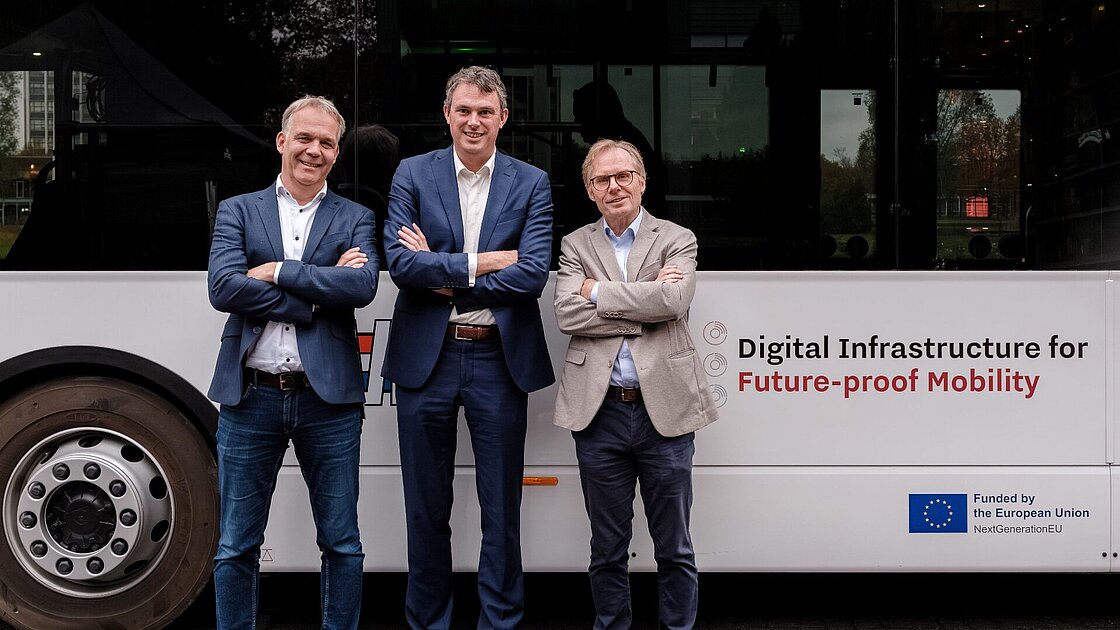
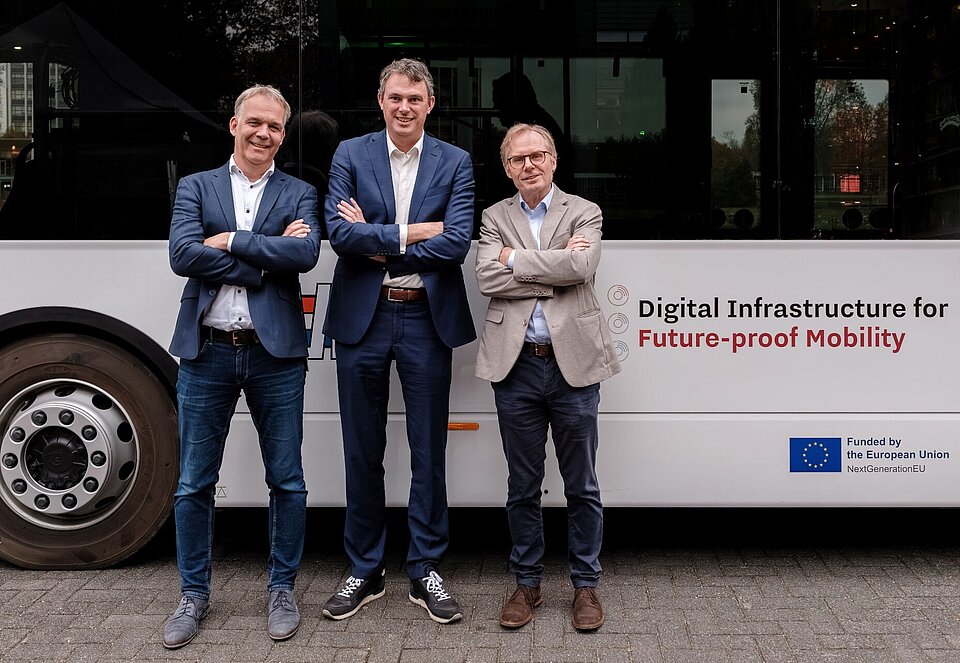
The world of mobility is changing at a rapid pace. Today's vehicles contain hundreds of smart systems that communicate with each other and with their environment. Developments in the automotive sector are currently happening so fast that innovation is not a desire, but a necessity. This is one of the reasons why the DITM subsidy project was launched three years ago: Digital Infrastructure for Future-Proof Mobility. During DITM Day on Thursday 20 November, professionals from the field came together to share the latest developments. At the end of the day, the key message was clear: we are well on our way, but we are not there yet.
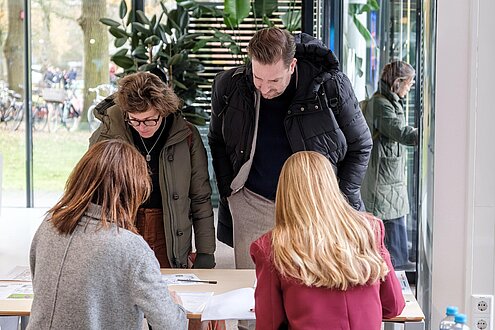
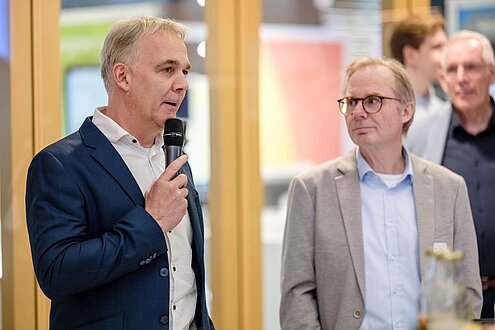
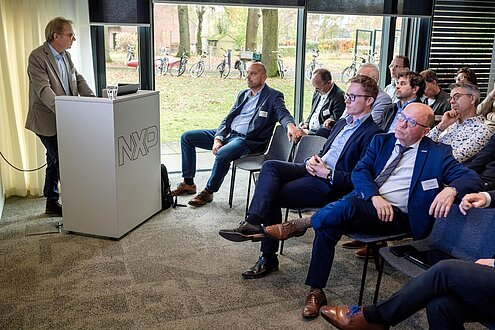
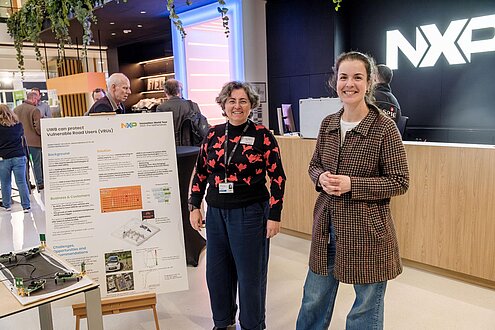
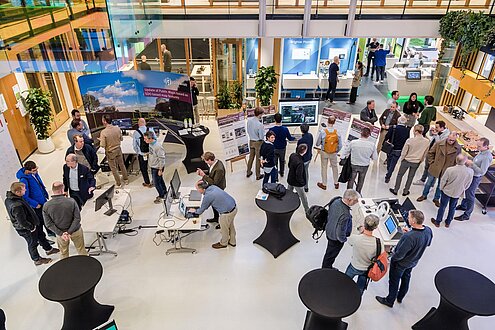
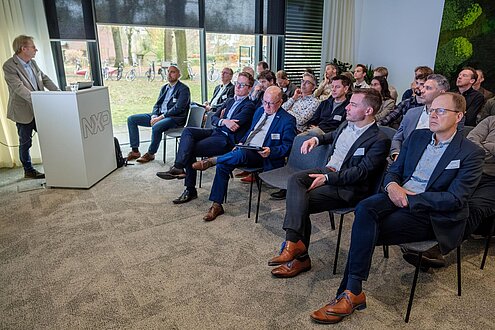
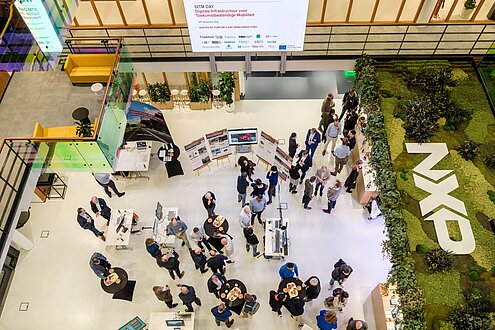
Visitors from industry, government and research came to the High Tech Campus in Eindhoven. They were welcomed by Brian de Bart, Director of System Innovations at NXP Semiconductors and one of the hosts during the day. ‘Our recently modernised building is a historic location for mobility. The same applies to the High Tech Campus. That is precisely why we chose this location today, because the high-tech and automotive industries are so deeply rooted here.’

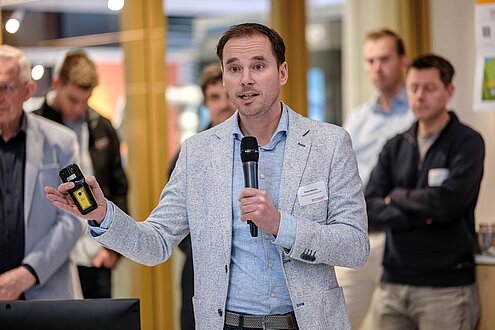
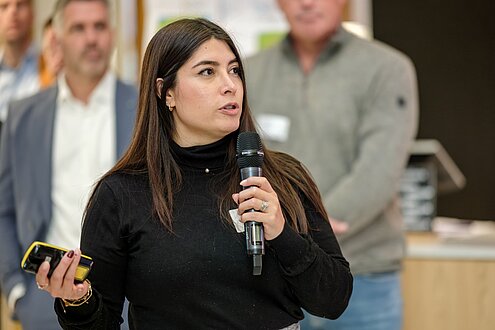
DITM project coordinator Ana Alanis took the opportunity to reflect once again on the program's objective. "Together, we are working on a digital infrastructure, with core technologies for localization, traffic services, digital maps, and charging infrastructure. All of this forms the basis for higher levels of autonomous driving and for a cyber-secure, reliable link between electric vehicles and the energy infrastructure. The European Union has allocated a total of €52 million to our four-year program. Three-quarters of that period is now over. So it's time to share where we stand with all stakeholders."
Within the DITM consortium, parties from the international automotive sector, ICT industry, traffic management and mobility innovation work closely together. This integrated approach builds on the Netherlands' strong position in the field of digital infrastructure. Ana: 'In a country like ours – compact, well connected and innovative – we are demonstrating how a Cooperative, Connected & Automated Mobility (CCAM) system works in practice: safely, effectively, cyber-securely, scalably and brand-independently.'
Joining forces
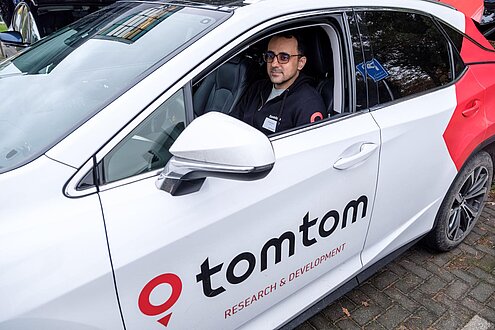
Fine words. But have theory and practice come together in the past three years? “Definitely,” says Ana. “Automotive companies in particular have sought each other out more to innovate together.” Brian gives an example in which NXP and TomTom are actively collaborating. ‘NXP supplies the hardware technology, while TomTom is an expert in creating navigation software and maps. By joining forces, we are improving navigation and other traffic systems. For example, by combining GPS signals with radar technology. This is useful for lane navigation, but also for the depot of self-driving buses.’
Ambitious, but possible. At least, if there is sufficient financing.
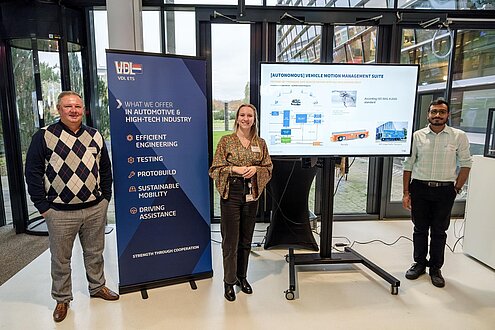
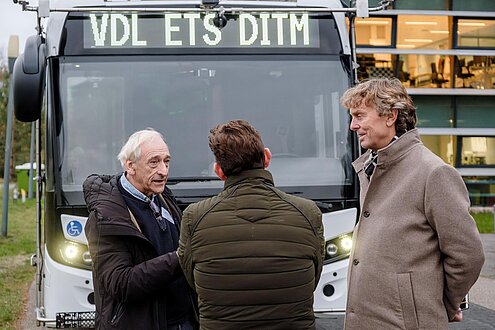
Jeroen van der Werf, Lead Smart Mobility at VDL ETS, is jointly responsible for the development of autonomous buses within the manufacturing company. In his presentation, he talks about the ambition to have a hundred of these buses operating within the Brabant public transport system by 2030. ‘Ambitious, but possible. At least, if there is sufficient financing.

Investing effort worthwhile
During the panel discussion with RET and RDW, it became clear that there is still work to be done in terms of gaining support for autonomous transport. Nevertheless, according to Jeroen, it is definitely worthwhile to continue investing. “As the European automotive sector, we are used to the fact that we have always been an important player in the industry, but developments in Asia and the United States are currently progressing at a rapid pace. So sitting still is really not an option. In fact, we need to step up our efforts. That is why new financial resources must be made available and companies must collaborate even more closely with each other. Only then can we remain competitive as a sector.”
Increasing safety
This is something Roland van Venrooij, Director of Advanced Engineering at TomTom, agrees with. "The key to success lies in creating a good ecosystem of collaborating partners and companies. Thanks to DITM, we work with around 60 suppliers in an open interface. Data from satellites, GPS, and cameras are combined to create the most accurate and up-to-date maps. This allows us to increase safety in transport and the environment. This collaboration is not based on competition, but rather on the strength of everyone's expertise. Because that only makes your product more complete and better."
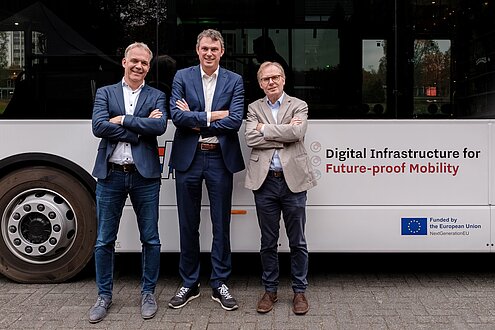
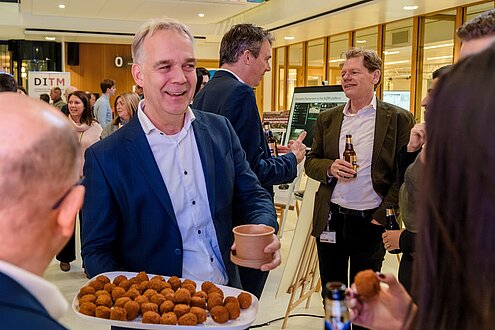
After the substantive discussions, the demos – such as the self-driving VDL bus – made it clear that there is not only a lot of talk, but also a lot of action. And that is exactly what is needed now, according to Ana, Brian, Roland, and Jeroen. ‘We can no longer sit back and relax; let's seek each other out more. Not only within the DITM project, but also afterwards. We really need each other to take steps forward, so trust each other and strengthen each other's expertise. In this way, we will remain an important player in the automotive sector as the Brainport region, the Netherlands, and Europe. Now and in the future.’
We really need each other to take steps forward, so trust each other and strengthen each other's expertise. In this way, we will remain an important player in the automotive sector as the Brainport region, the Netherlands, and Europe. Now and in the future.