Team HMR | Breaking international barriers for railway transport
What if trains could float? What if Europe’s rail network could become faster, greener, and more efficient without tearing up the existing infrastructure?
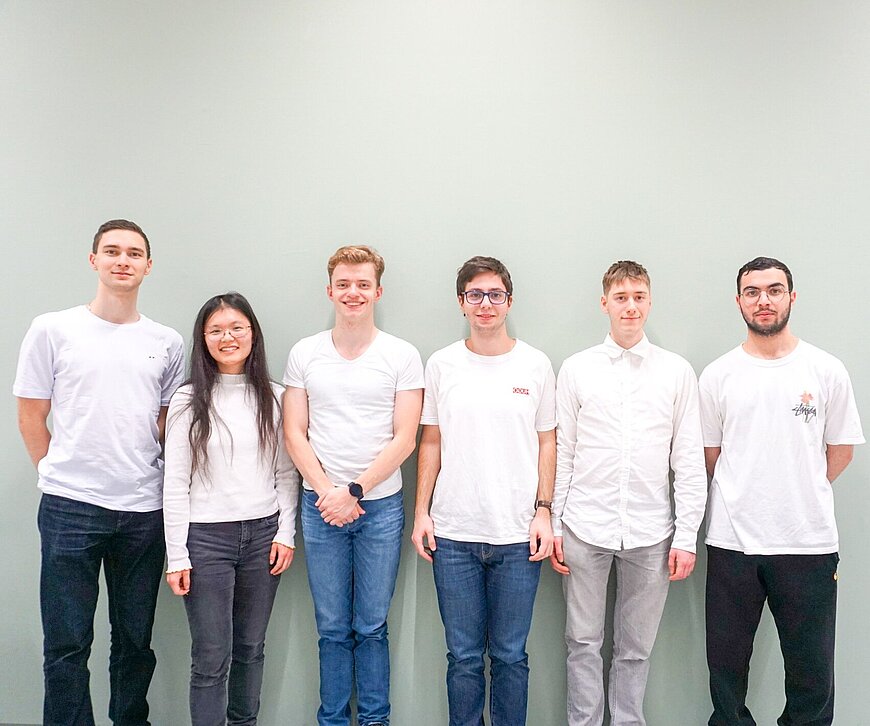
That was the idea that sparked Hybrid Maglev Railways (HMR). What started as a simple idea with three curious students has grown into a student team of eight who are working to bring magnetic levitation technology to the mainstream of European transport.
From enthusiastic idea to engineering reality
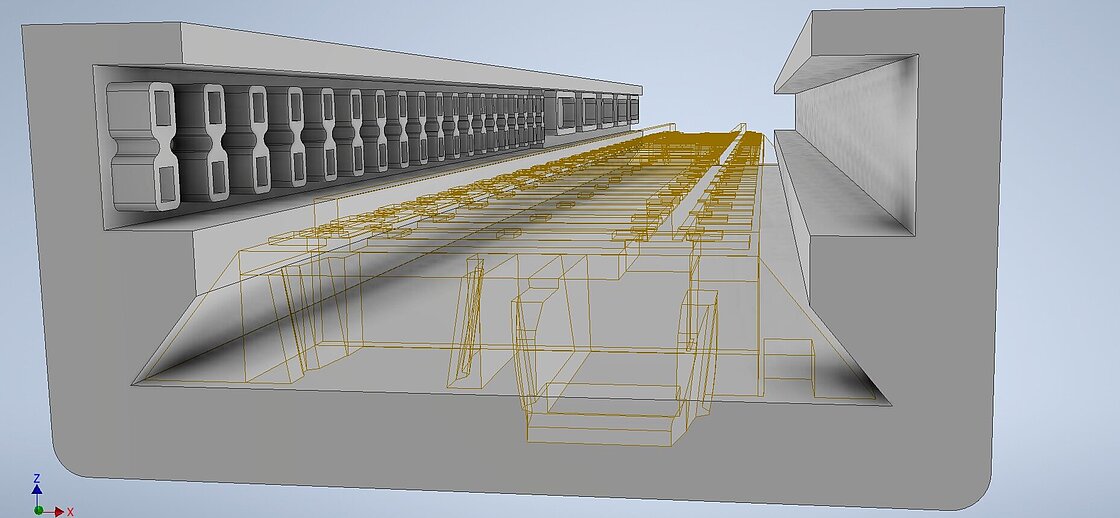
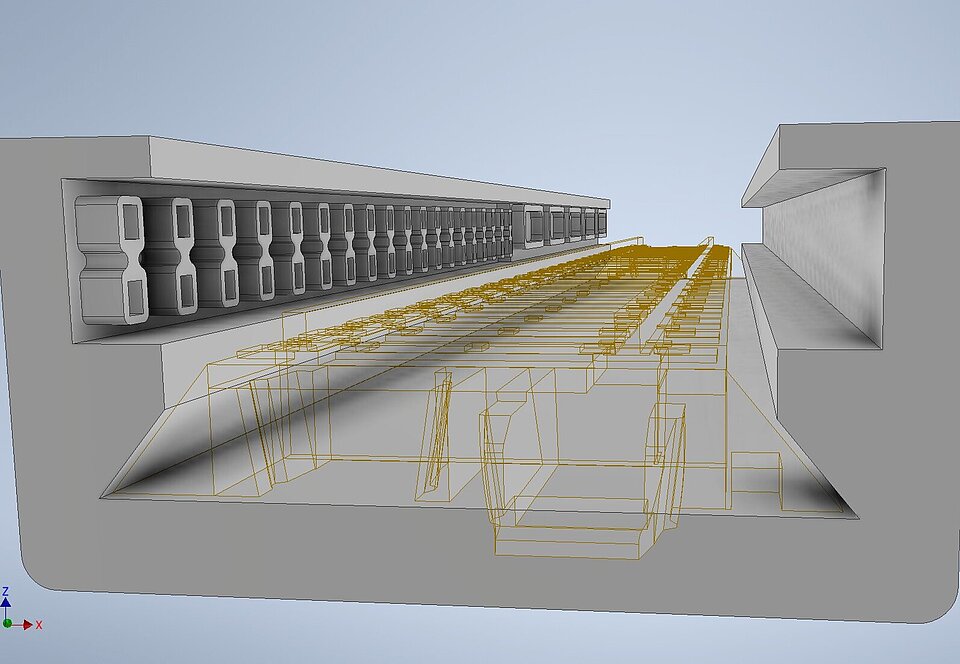
Our vision is a future where rail transport is faster, more efficient, and more sustainable. By using magnetic levitation, or Maglev technology, our trains can hover above the tracks, reducing friction and enabling higher top speeds. The key component: the entire system is built on the existing infrastructure, which creates the hybrid design. The goal is simple: two systems, one track, one train.
This concept quickly attracted others – some drawn by the technical challenge, others by the opportunity to work on something unique and a domain that’s relatively new and unknown to TU/e: the future of rail.
Building More Than a Prototype
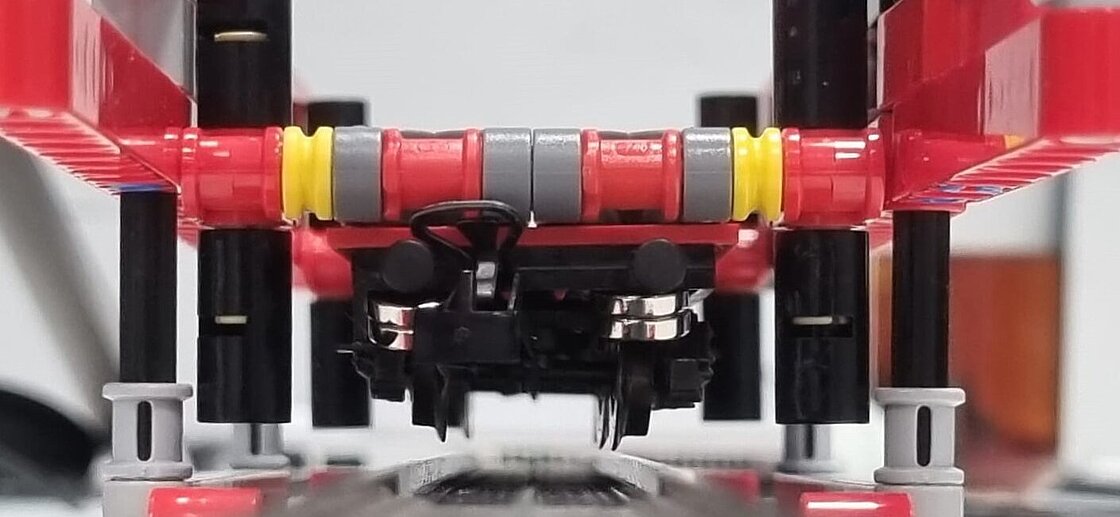
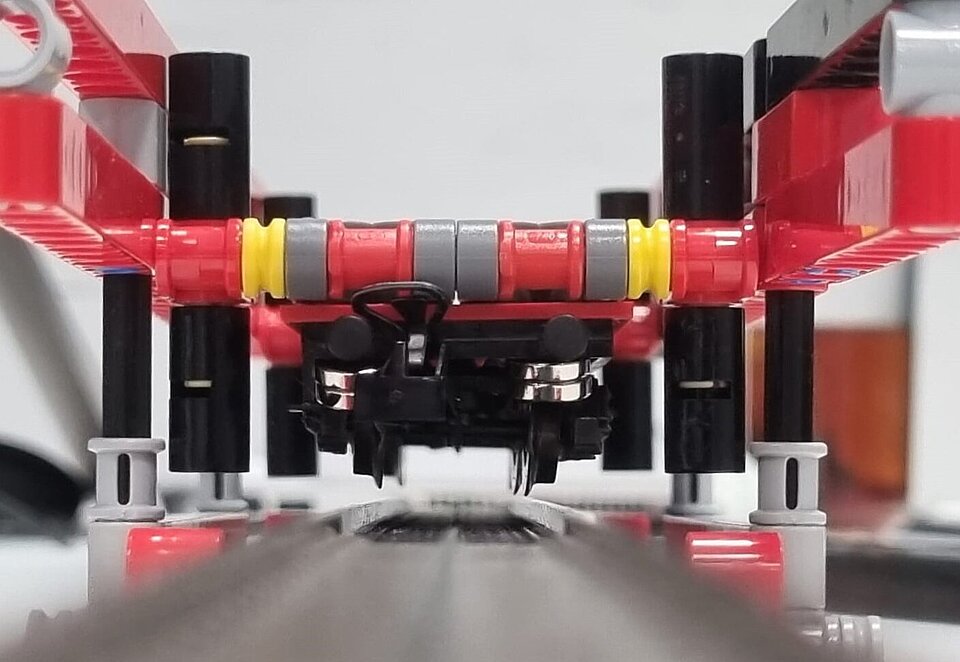
In the 2024-2025 academic year, we started designing, building and testing parts of our first small-scale prototype. Even if it might not use the exact same technologies as the full-scale concept train, upon its completion, it will be an important achievement, allowing us to proceed with larger designs using technologies similar to those used in the railway sector. The final full-sized vehicle will operate like a conventional train at low speeds, but will transition into a levitating state once it reaches a sufficient speed of around 200 km/h. While levitating, it could reach speeds of up to 500 km/h.
Starting a student team from scratch was not an easy feat. From recruiting members and defining a suitable business case, to securing potential connections with partners and building our prototype, each step has been a learning experience. Throughout this process, we have encountered numerous difficulties. Some were expected, such as navigating the conservative nature of the rail sector, while others caught us more off guard, including the technical difficulties we would encounter while creating the prototype with limited resources and time.
But this is exactly what makes being part of a student team so exciting. Every step has been a crash course in real-world innovation, creativity, and persistence.
Lessons From the Tracks
One of the most important lessons we have learned so far: nothing ever goes exactly as planned. Designs change, timelines shift, priorities change, and new projects emerge. Through all of this, we have learned to adapt, to communicate more effectively, and to support each other where necessary.
We have also discovered the power of community: From fellow student teams to professors and industry experts, we’ve received valuable support that has shaped our progress. Innovation doesn’t happen in a vacuum, it happens through collaboration.
More Than Just a Project
At the heart of HMR is a shared passion - not just for trains, but for creating something meaningful, something revolutionary, something new. We have laughed over our mistakes we’ve made, celebrated successful tests, and felt the frustration of setbacks. With all of this, we have become closer as a team, making the project not only more effective but also more fun.
As we look ahead, we’re excited to keep developing our concept, to keep learning, and to keep pushing boundaries of what is possible in rail transport. The tracks we are laying now might just lead to the future of European mobility.

TU/e Student Teams: Innovating for a Better Future
HMR is part of the TU/e innovation Space – a dynamic hub for Challenge-Based Learning and entrepreneurship, where interdisciplinary student teams tackle some of society's most pressing challenges as autonomous organizations. These teams, composed of students from diverse academic backgrounds, collaborate on real-world problems ranging from sustainable energy solutions to future mobility and healthcare innovations. By engaging with industry partners, researchers, and other experts, Student Teams are empowered to drive impactful change while developing the skills needed to become the next generation of talent for the Brainport Region.