Touchwaves: turning 'touch' into a lifesaving pilot interface
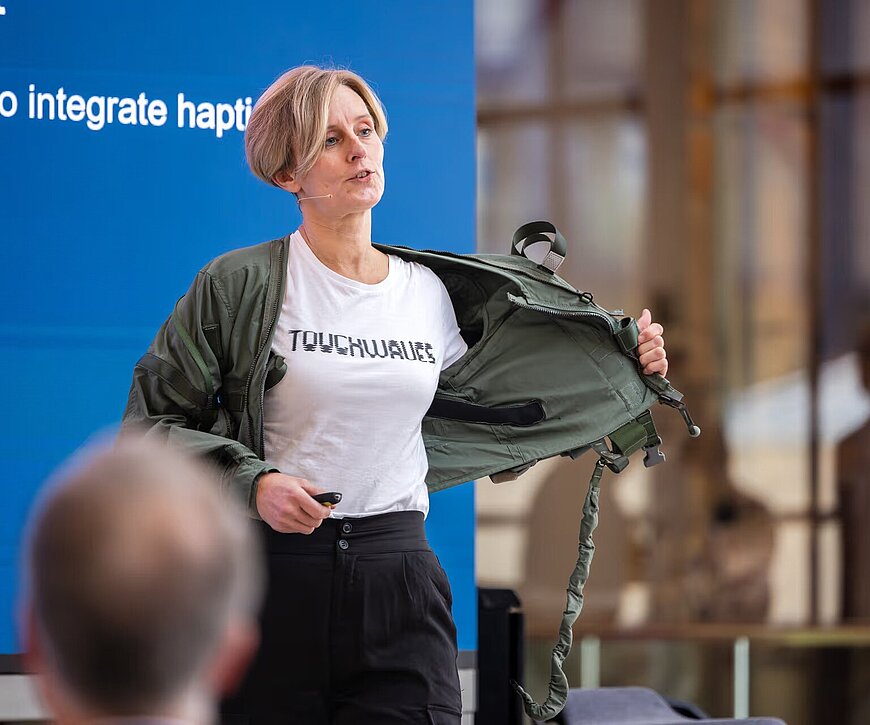

When Charlotte Kjellander walked on stage at the Blue Magic Netherlands event, she opened with a statistic that made the room pause: “Eighty percent of non-combat aviation mishaps are caused by human error.” In military aviation, those errors can mean the loss of two to three F-35s every year, along with the pilots who fly them. Touchwaves, her spin-out from TNO, born at Holst Centre, exists to push those numbers down to zero.
When vision and hearing fail, touch remains
Kjellander’s pitch could not have been clearer: defense doesn’t need more data, it needs actionable information delivered in a way that doesn’t add to the cognitive overload pilots already face.
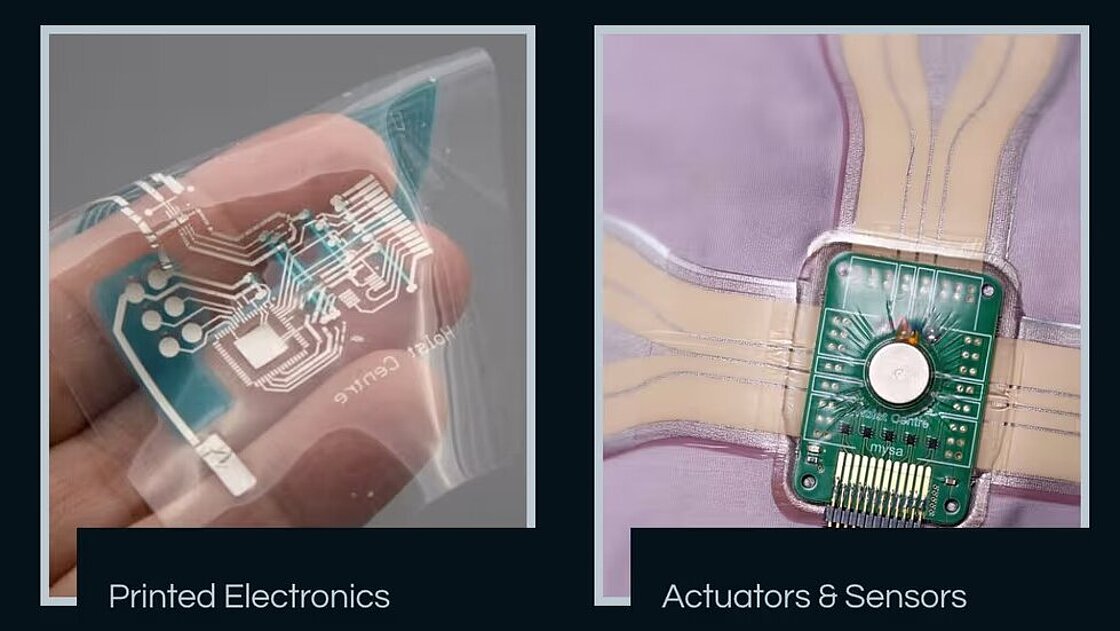
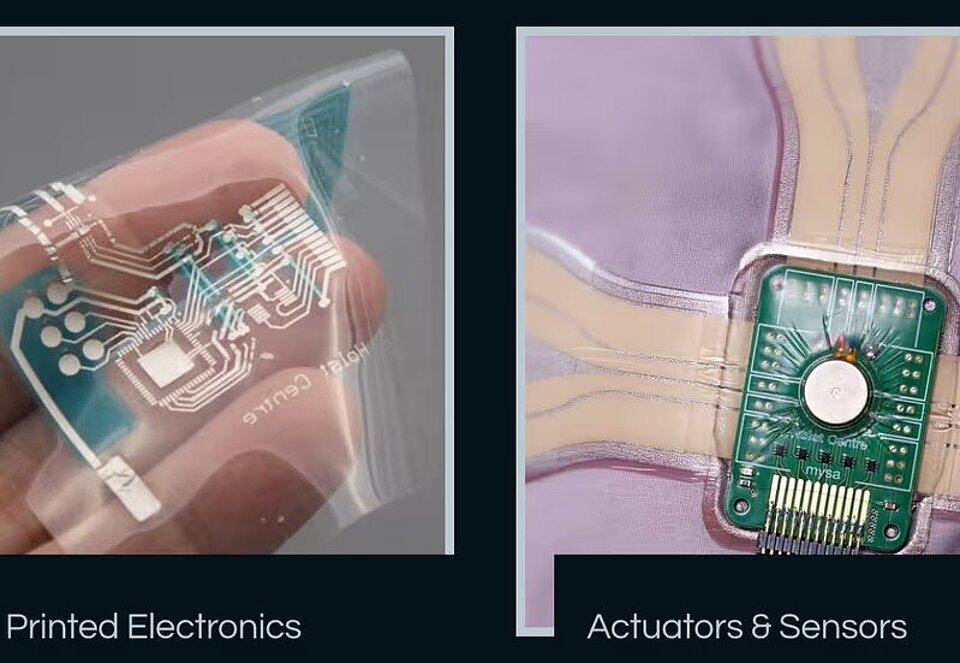
Touchwaves’ answer is a new kind of human-machine interface built on haptics: tactile feedback delivered through thin, flexible electronics integrated into flight jackets and undergarments.
“In hypoxia, stress, or G-force situations, eyesight, hearing, and speech decline,” she explained. “But the somatic sensory system - your sense of touch - stays active. That’s why we use touch.”
Their system uses biosensors to detect the onset of hypoxia and sends targeted tactile alerts to make pilots breathe more efficiently. Haptic tubes around the torso guide the body into increased oxygen uptake. Sensor data from aircraft or unmanned systems gives spatial awareness: pilots can feel where a threat or drone is approaching from.
From textile vest to validated cockpit-ready tech
Touchwaves’ roots lie in lightweight civilian wearables. But the company has evolved rapidly.
“We’ve developed our products into a technical tactile breathing-guidance system,” Kjellander said. “It’s been efficiency-tested and validated by the Royal Netherlands Air Force.”
The latest version integrates directly into operational clothing, including an F-35 flight jacket that Kjellander wore for the event. The goal: provide physical cues to reduce cognitive load, maintain focus, and increase situational awareness in moments where milliseconds matter.
Their proprietary technology - ultra-thin electronics, smart materials, and a closed haptic feedback loop - is fully patented. “Our uniqueness lies in the very thin, flexible, lightweight electronics,” she noted. “It creates intuitive communication with the body.”

Beyond fighter jets: air traffic control, transport aircraft, helicopters, healthcare
During the Q&A, the audience quickly explored wider applications.
“Fatigue is a big one,” she added. “And yes, we’re talking to OEMs in aviation, in pilot safety gear, and we’re open to discussing applications in automotive.”
Reducing G-LOC risks
Someone asked about G-induced loss of consciousness (G-LOC). Kjellander described Touchwaves as a preventive tool: it doesn’t counter the G-forces themselves, but it alerts pilots early so they can begin their G-breathing routines in time. “We help you remain focused so you can start before it’s too late,” she said.
Kjellander leads Touchwaves together with co-founder Martin Romero. Backing from TNO, imec, the Royal Netherlands Air Force’s Aeolus network, and the EU ecosystem gives the company a powerful launchpad.
Touchwaves is now fundraising and looking for a strategic investor to close its round by year-end. The ideal partner? “Someone with a strong defense network and Air Force operational experience.”
Touchwaves’ mission is direct and ambitious: “Use our haptic embodiment to keep pilots in the air, support military forces, and keep them safe.”