Growing up without limits starts with seeing things differently
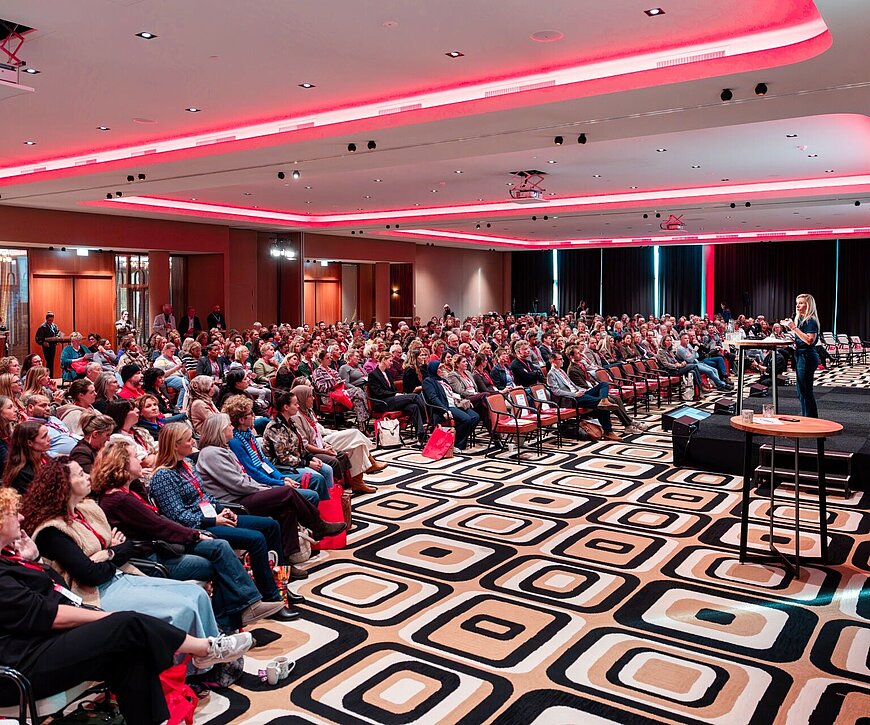
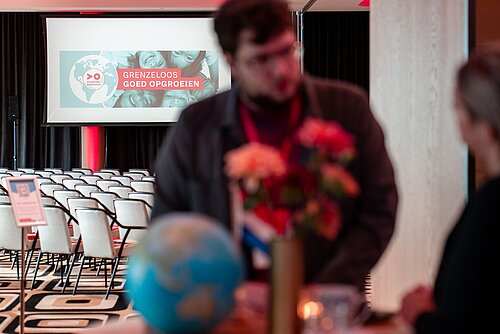
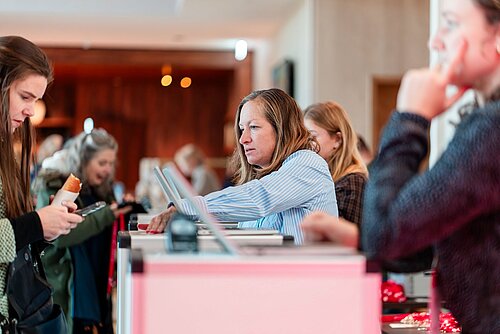
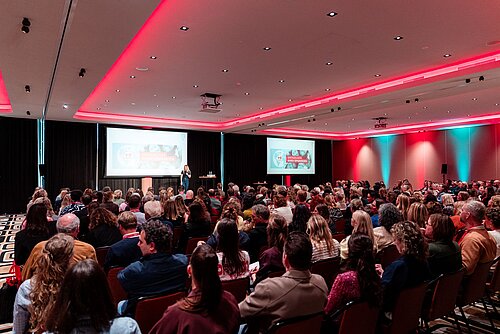
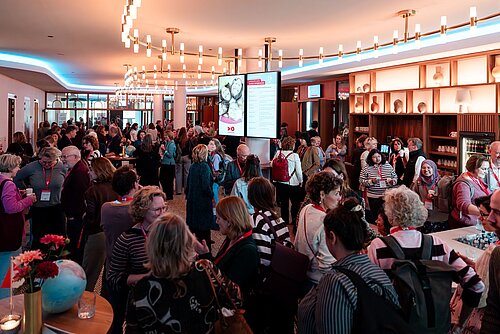
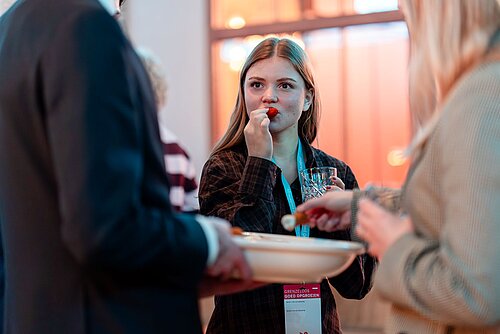
How can we ensure that all children in the Brainport region have equal opportunities to develop their talents? That question was the focus of the ‘Grenzeloos Goed Opgroeien’ conference at Van der Valk Eindhoven-Best. Around 500 professionals from the education sector, childcare, local authorities and other organisations came together to gain inspiration and share experiences. After all, internationalisation and diversity are no longer isolated issues, but are visible every day in the classroom, in the school playground or in the neighbourhood.
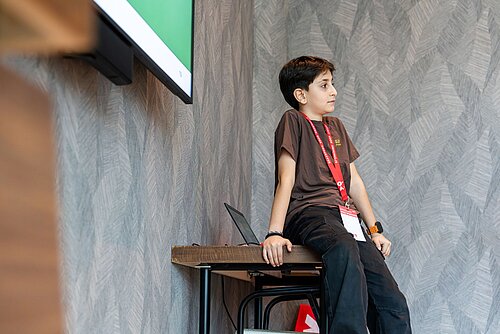
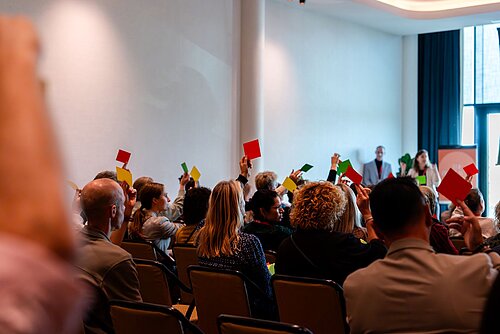
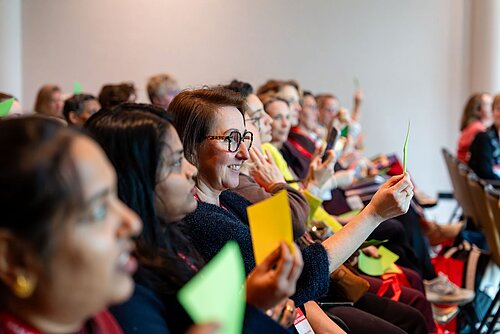
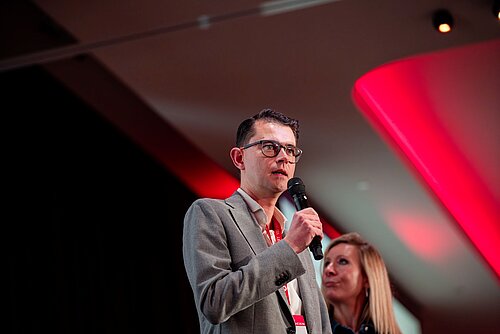
Following the opening remarks by moderator Meike de Jong, vocational education ambassador Karim Amghar immediately set the tone. Voices from the audience suggested that discrimination in work placements remains a major problem, and Karim himself explained how cultural differences can lead to misunderstandings. ‘When my mum used to get angry, she’d say: “Don’t look at me when I’m talking to you.” At school, the teacher would say: “Look at me when I’m talking to you.” How was I supposed to know that was the done thing at school, when I’d been taught something different at home?’
He holds up a mirror to the audience. Why do we so readily associate a fail with vmbo and a top mark with vwo? ‘I’m proud of vmbo,’ Karim emphasises. In his view, vmbo and mbo are not only the driving force behind our economy, but behind society as a whole. Yet vocational education is still too often valued less than other forms of education. That message touches on a key question of our time: how do we ensure that it is not our expectations, but a child’s potential, that forms the starting point?

‘How do you break that cycle?’
That also got Kirsten Tijssens, headteacher of Trudo primary school in Eindhoven, thinking. ‘How is it possible that we still don’t think vocational education is good enough? I keep wondering how we can break that cycle.’ She attended the conference with colleagues out of curiosity. Her school is bringing together an increasing number of nationalities, and she wants to keep learning about what that demands of education. ‘We made a conscious decision to start teaching vocabulary about eight years ago. We noticed that children growing up in multilingual households sometimes arrive with a different vocabulary to pupils from a Dutch background. So we need to pay much more attention to that. The more we focus on it, the easier it will be for children to follow the lessons.’
Involving parents also sometimes requires a different approach. A school fete a few years ago showed her just how much it benefits everyone when parents can share their culture. ‘We had stalls representing different cultures. It was a massive hit. You notice that parents who aren’t usually very visible start to come out of their shells. We’ve decided we need to organise this fete again.’
Ideas to take back to the classroom
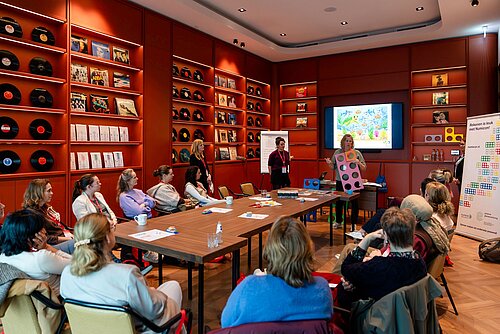
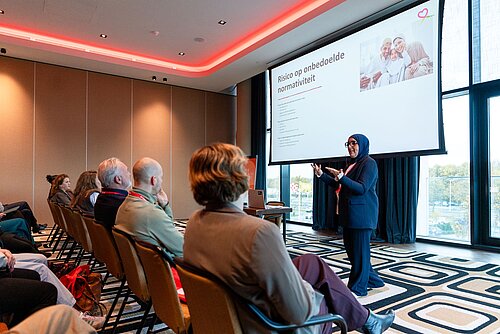
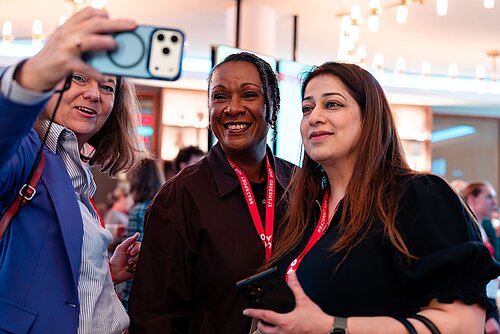
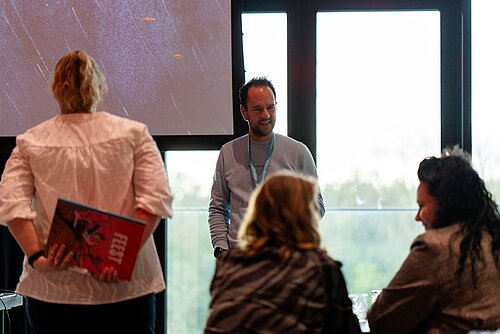
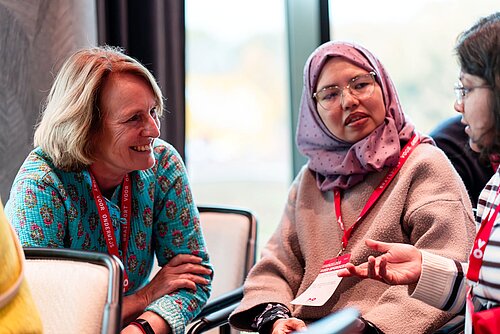
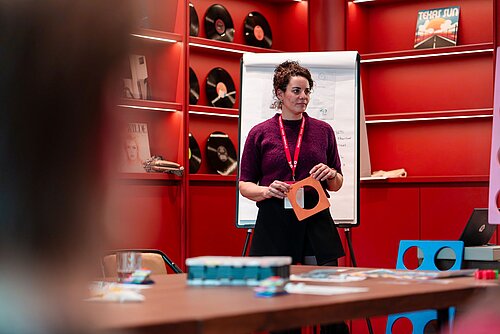
Following the plenary programme, in which researcher Daan van Gent from the Decisio research agency explains that the Brainport region is now home to more than 20,000 international children, the participants split into two groups for a series of inspirational sessions and mini-TED Talks. They use LEGO to build inclusion in the neighbourhood, discuss communication with parents in a super-diverse school context, and in another session, the programmes ‘Van Alle Talen Thuis’, ‘Samen Leren in Diversiteit’ and the ‘Inclusive Teaching Academy’ look back on three years of multilingual education. Interest is high. Phones are being held aloft everywhere to capture the slides, and in between sessions, participants are asking where they can find the presentations later. They don’t just want to hear the ideas; they also want to apply them in their own practice.

An employee of Veldhoven Council is attending the session ‘A child’s journey does not end at the asylum seekers’ centre’, which explores how care and education together contribute to the development of children from refugee backgrounds. ‘I’m mainly here to be inspired. We face major challenges now that our municipality and the region are becoming increasingly international. There are many developments and initiatives underway. So it’s good to hear what’s happening elsewhere.’
What sticks with him from the session is the story of a child who received an education at the asylum seekers’ centre. ‘You see that a child like that can learn the language very well in a relatively short space of time. I think that’s wonderful to see.’ In Veldhoven, there are language classes and the local authority works well with local school boards. That is precisely why he finds it valuable to hear how others are tackling the issue. ‘The conference not only offers new ideas, but also the chance to review existing working methods.’

Buddy voor Elkaar
There is plenty to discover outside the sessions too. At the information fair, organisations talk about their approaches and visitors look for ideas they can put into practice themselves. Fleur Besters, programme manager at Brainport voor Elkaar, is there on behalf of Buddy voor Elkaar. This initiative brings local and international parents at schools into contact with one another, so that they can practise Dutch together and exchange experiences. ‘It’s free and doesn’t really take up any of the school’s time. The idea is that parents meet each other and something develops from that.’ The initial results have given Fleur cause for optimism. ‘After the first meeting, we already noticed that parents were greeting each other in Dutch in the school playground,’ says Fleur. There’s also interest during the conference: applications have already been received and schools are responding enthusiastically.
Pippi Langkous mindset
Ingeborg Janssen Reinen, director of the Ter AA vocational college, is also out and about. She emphasises how important it is to look beyond the boundaries of one’s own organisation. That morning, she attended the management roundtable, where representatives from local authorities and school boards, amongst others, engaged in discussion. For her, it’s about the entire education chain, from early years care to vocational education. ‘It sometimes seems as though we all operate in silos. Everyone is preoccupied with their own system, whilst pupils and students simply have a whole journey to go through. It is precisely when moving between different types of education that we need to ensure a smooth transition.’
In her view, collaboration shouldn’t start with the question of who pays for it. ‘Let’s just try things out and seek to work together. First, let’s see what we can do together to support young people’s development.’ That attitude fits with the Pippi Longstocking mindset discussed during a session organised by the childcare and education organisation Atalenta: ‘I’ve never done it before, so I reckon I can do it.’
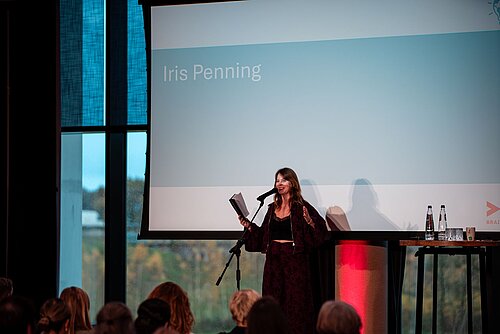
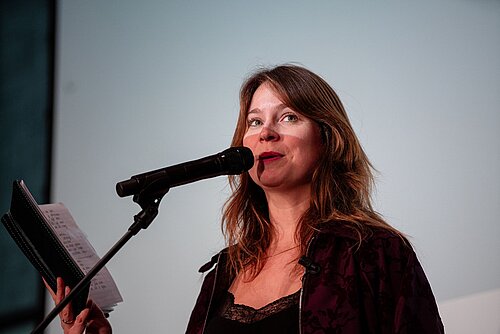
In the closing plenary session, programme manager Najat Toub-Arssi of ‘Learning Together in Diversity’ highlights another change that has struck her. ‘This is my fourth year here, and I’m pleased to see more and more people of colour in the room,’ she says, followed by applause. The final word goes to Iris Penning, singer-songwriter and former city poet of Eindhoven. She recites a poem, inspired by what she has heard and seen that day, which ends with the words:

We don’t need to understand each other’s words to understand one another
When we stand side by side, we learn to really look at one another
All children are different
And they don’t have to fit into pre-defined boxes
There’s a ‘you’-shaped void, somewhere in society
And all you need to be is untranslatable, inexplicable, incredibly you
You’ll be able to read Iris Penning’s full poem soon!

Watch the sessions again here
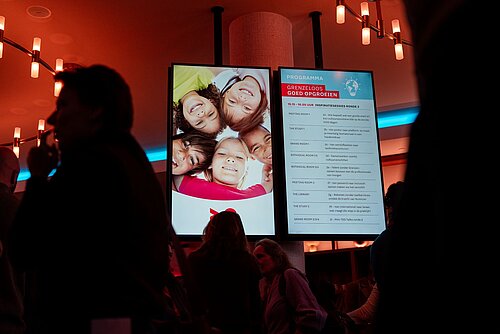
Overview of session round 1
Clicking on the session you’re interested in will take you to a document with more information about that session.
Session 1a
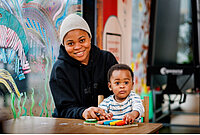
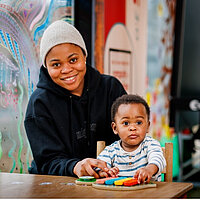
A child’s journey does not end at the asylum seekers’ centre
Session 1b
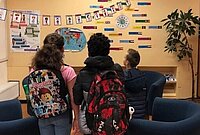
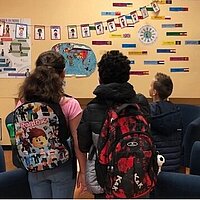
We understand each other… but do we really get each other? Curious about what this session covers? View the presentation here.
Session 1c
The children are already here – when will the system follow? Curious about what this session covers? View the presentation here.

Session 1d
The strength alongside the child who speaks a different language
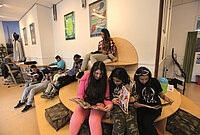
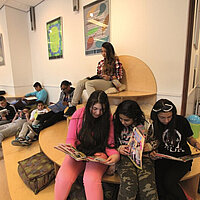
Session 1e
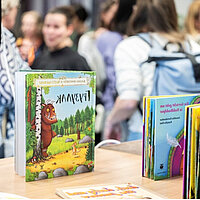
From story to fan: multilingual voices coming to life

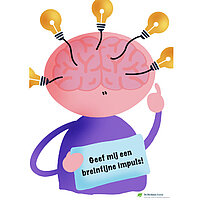
Session 1f
Brain-based learning: put neuroscience to work for you Curious about what this session covers? View the presentation here.
Session 1g
Growing up without limits starts close to home. Building inclusion in the neighbourhood together Curious about what this session covers? View the presentation
Session 1h
Where it shines and where it rubs: working together to build culturally sensitive and multilingual education View the presentation here!

Session 1i
3 mini-TED Talks
Watch the sessions again here
Overview of session round 2
Click on the session you’re interested in to view a document with more information about that session.
Session 2a
Who decides what constitutes a good start? From story to spectrum: multilingual voices coming to life View the content of this session here!
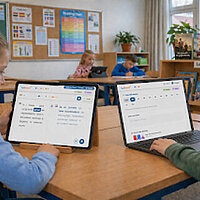
Session 2b
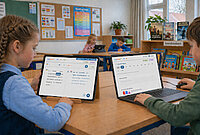
From poster to platform: how to create multilingual teaching materials in no time at all Curious about the content of this session? View the presentation!
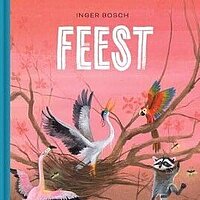
Session 2c
From global celebrations to technological adventures! Curious about what this session covers? View the presentation here.
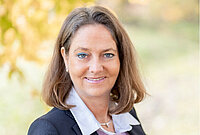
Session 2d
Working together across cultural differences Curious about what this session covers? View the presentation here.
Session 2e
Talent Without Borders: working together to develop the professionals of tomorrow Curious about what this session covers? View the presentation here.
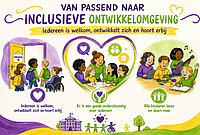
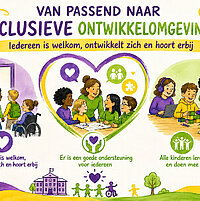
Session 2f
From ‘suitable’ to ‘inclusive’: together we can make a difference! Curious about what this session covers? View the presentation here.
Session 2g
Maths without language barriers: discover the power of Numicon Curious about what this session covers? View the presentation here.
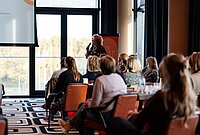
Session 2h
From international professional to teacher: what does that transition involve in practice? Curious about what this session covers? View the presentation here
Session 2i
3 mini-TED Talks
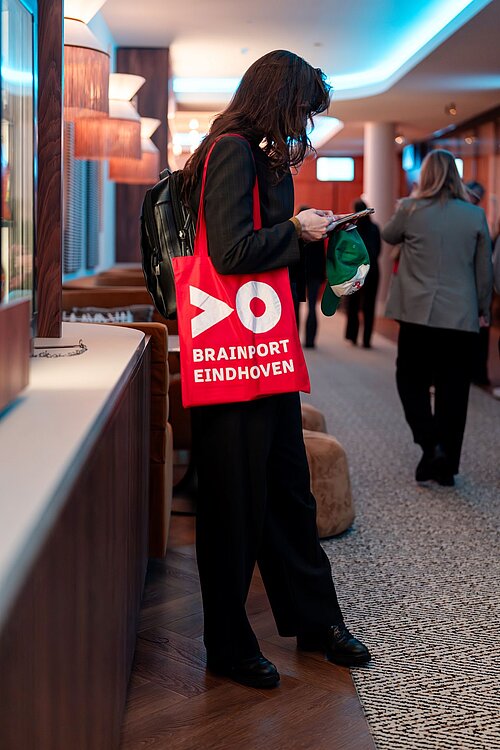
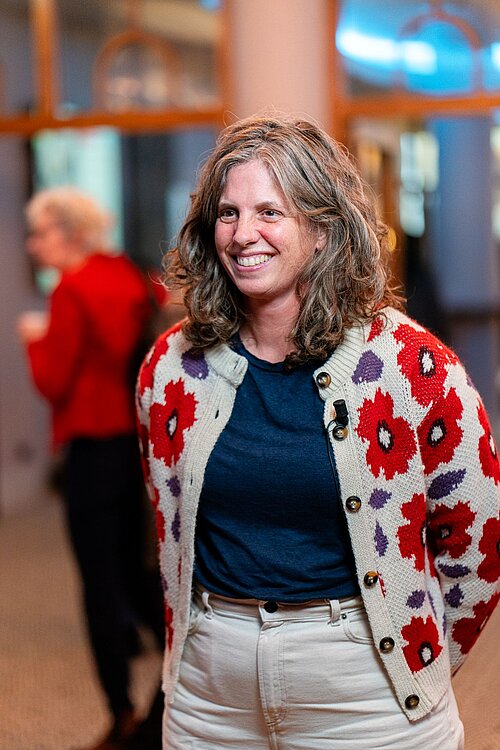
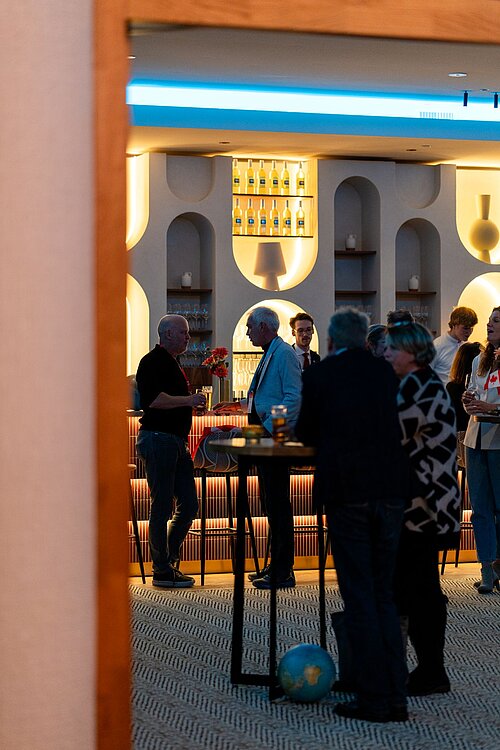
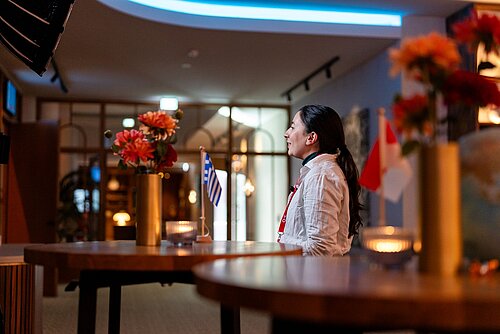
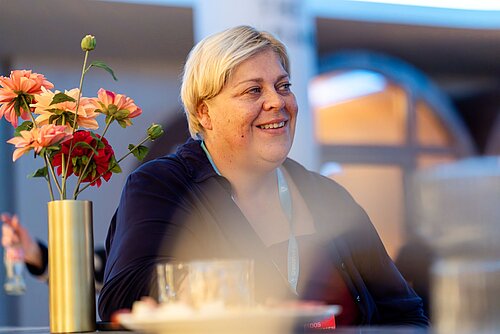
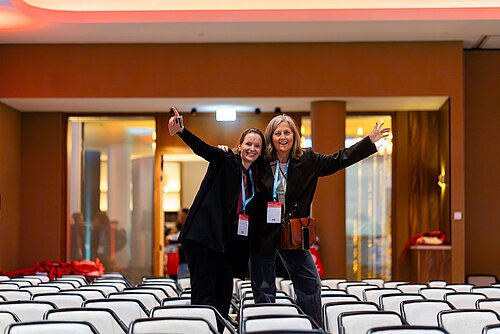
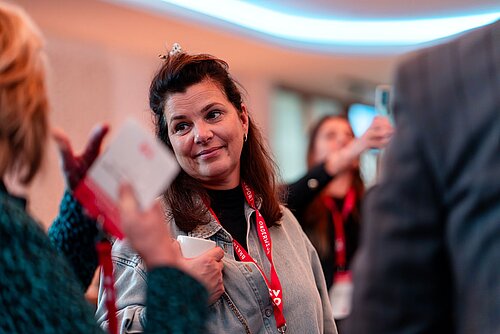
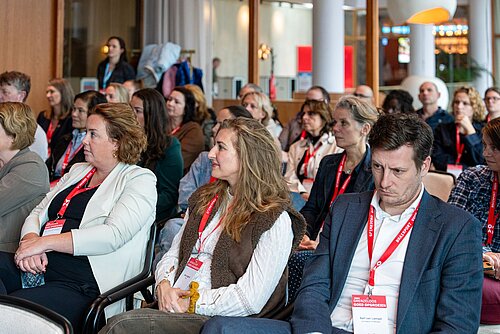
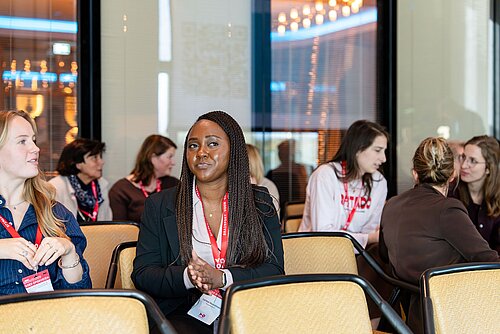
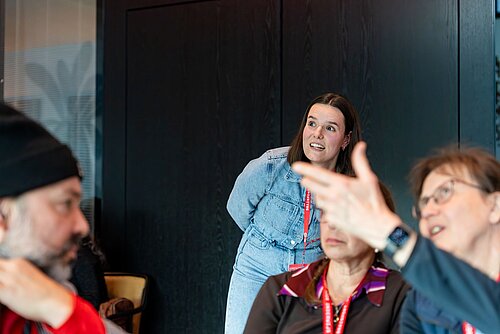
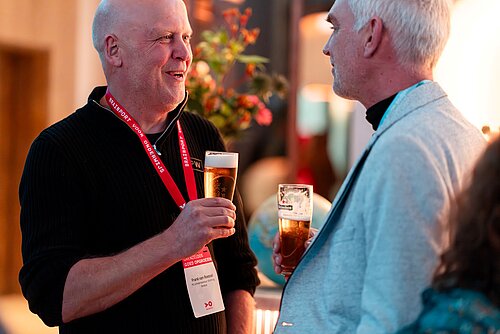
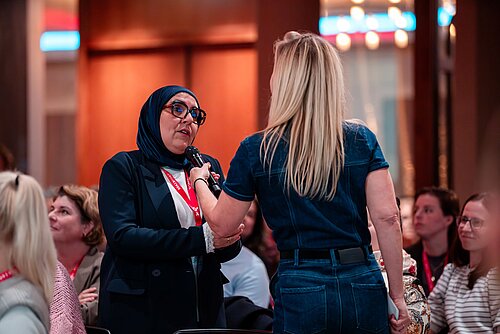
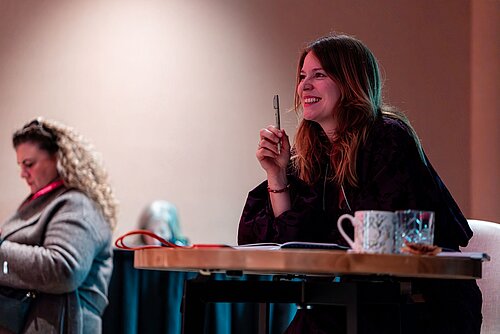
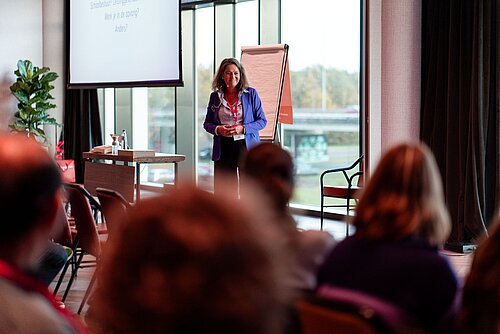
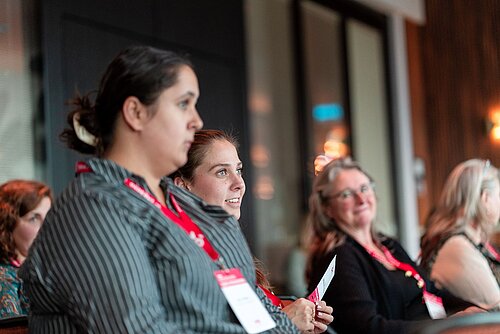
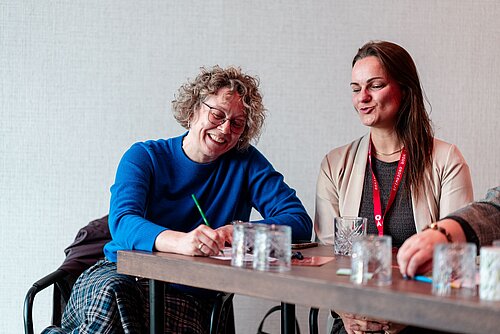
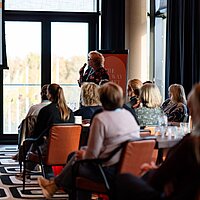
A glimpse of the day:
These photos were taken by Nick Bookelaar
You can view all the photos via the link below. If you’d like to download any of them, please use the code 3486.
View all the photos here