Autonomous mobility a step closer to reality during the CCAM Proving Region test week
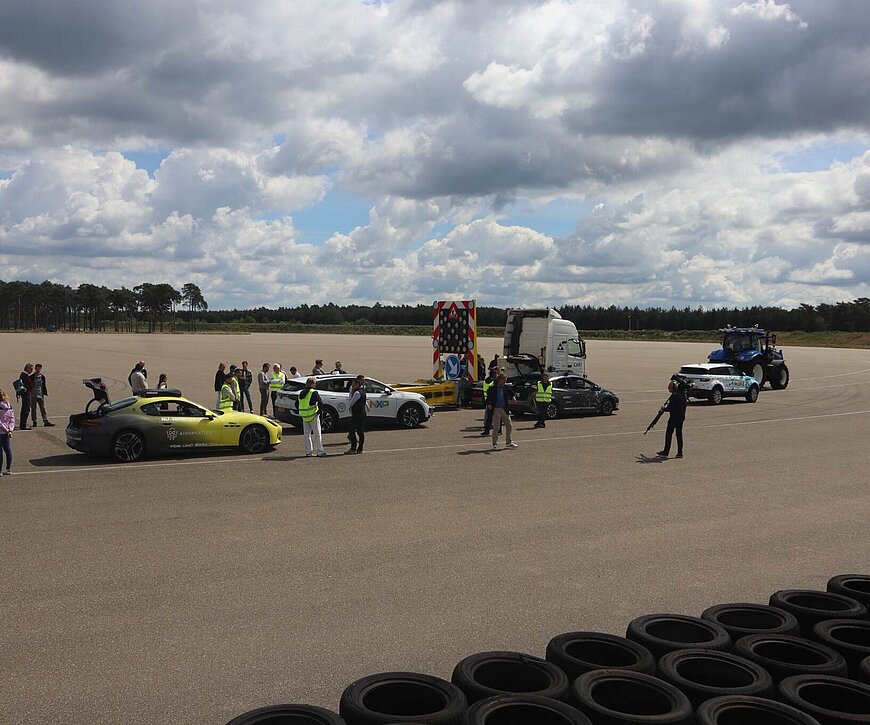
Companies and researchers are testing new technologies at the Ford Lommel Proving Ground
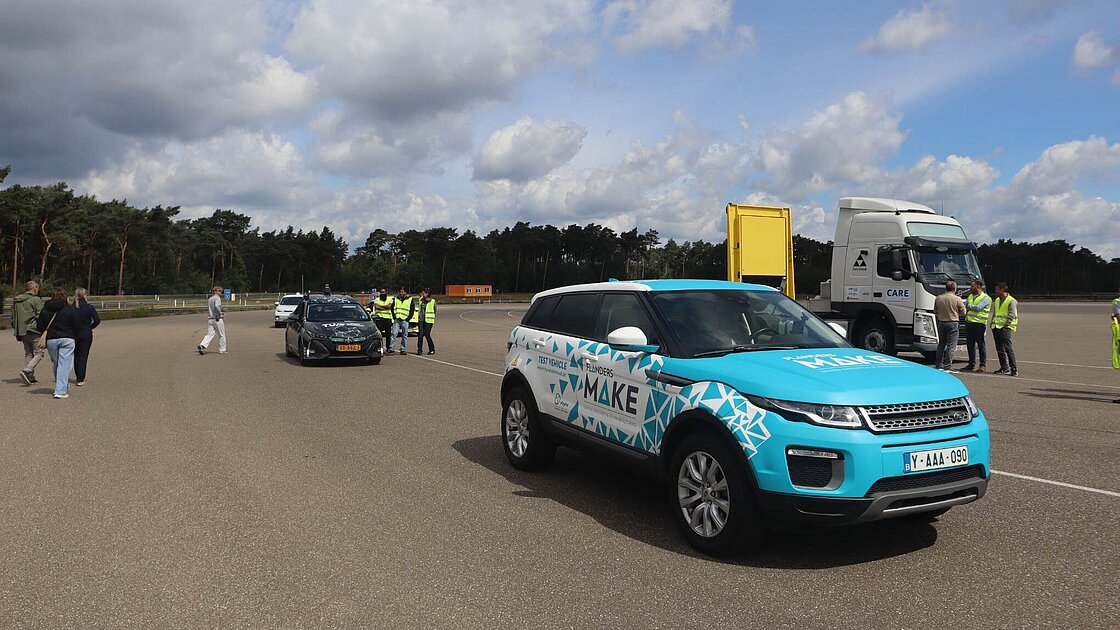
This week, the first test week of the CCAM Proving Region is taking place at the Ford Lommel Proving Ground. Companies, research institutions and public authorities from Flanders and the Netherlands are testing new technologies for autonomous and connected mobility there. The activities are intended to contribute to the safe and responsible deployment of autonomous vehicles on public roads.
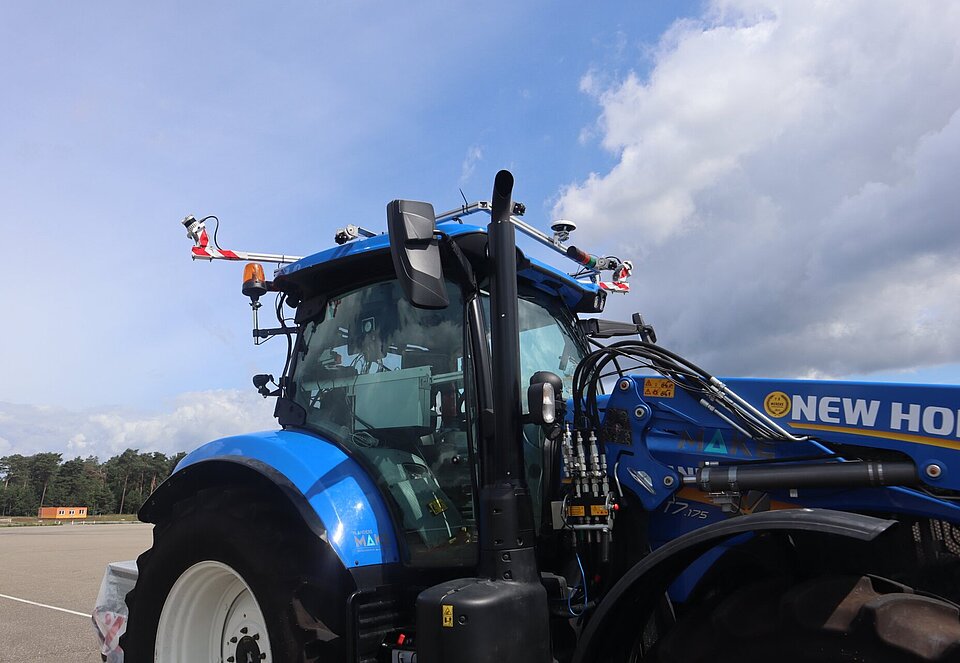
During the test week, a wide range of innovations will be evaluated in realistic conditions. These include smart sensors, radar systems, autonomous vehicles and remote control solutions. By testing technologies in situations that closely resemble real-world conditions, developers gain a better understanding of the performance, safety and applicability of their systems.

From test track to public roads
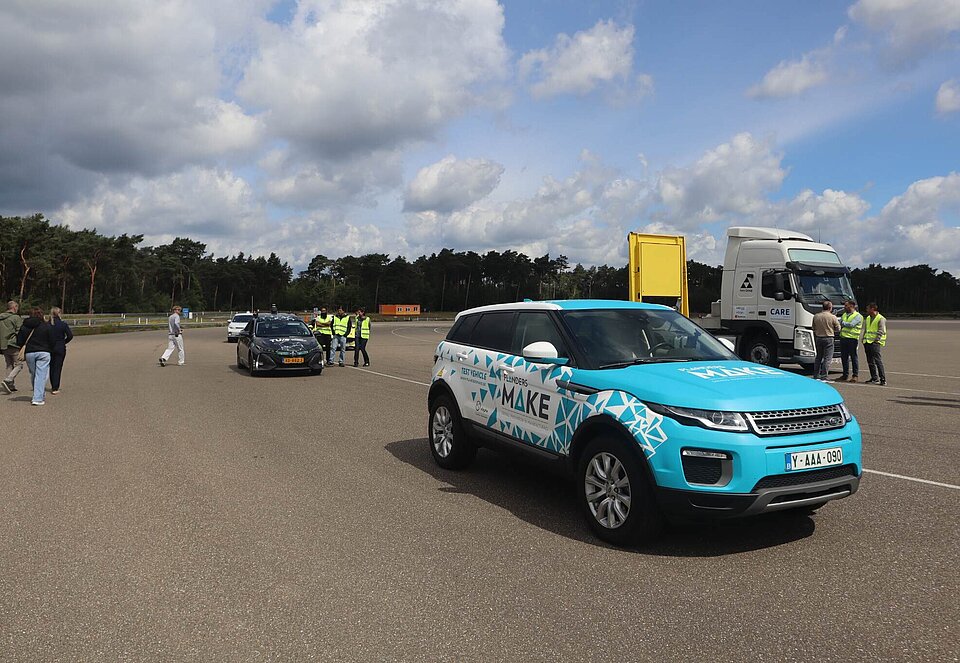
The development of autonomous vehicles currently takes place largely at closed test sites. In order to eventually deploy this technology safely on public roads, additional safety validations, licences and appropriate regulations are required.
During the test week, participants will therefore not only be assessing the technical performance of the systems. Safety, operational procedures and future licensing processes will also be key focuses. The knowledge gained should help companies, researchers and public authorities to bring autonomous mobility into practical use more quickly and responsibly.
According to Sven Vlassenroot, project lead for the CCAM Proving Region at imec, the test week forms a vital link between innovation and implementation:
“With this test week, we are not only creating a technical validation environment, but above all a bridge to real-world deployment on public roads. This is crucial for moving from innovation to implementation.”
Innovations in practice
Various companies and research organisations will be demonstrating their latest developments during the test week.
Aidoptation is presenting technology for autonomous driving on motorways. The systems combine sensor technology and software to enable vehicles to react safely to complex traffic situations and unexpected obstacles.
FERO, Movias, V-Tron and Orange are demonstrating how specialised vehicles can be controlled remotely. This technology is used, amongst other things, in crash barriers deployed during roadworks to enhance the safety of road workers and road users.

NXP is demonstrating a new generation of radar systems that enable vehicles to perceive their surroundings more accurately. Researchers at Eindhoven University of Technology are also evaluating an autonomous test vehicle developed using open-source software.
The tests are taking place at various sections of the Ford Lommel Proving Ground, including the motorway circuit, the vehicle manoeuvring area and the internal access roads.
Cross-border collaboration
The test week forms part of the Interreg project CCAM Proving Region. Within this project, companies, research institutions, public authorities and regional development agencies from Flanders and the Netherlands are working together on the development of Connected, Cooperative and Automated Mobility (CCAM).
By pooling knowledge, infrastructure and expertise, the partners aim to bring innovations from research to practice more quickly. At the same time, the collaboration strengthens the exchange of knowledge and experience across national borders.
For Brainport Development, the project highlights the importance of international collaboration within innovation ecosystems.
“Thanks to this collaboration, we are demonstrating that cross-border innovation is essential for bringing autonomous mobility to market more quickly and efficiently,” says Ana Alanis, Smart Mobility Programme Manager at Brainport Development.


Building tomorrow’s mobility together
Autonomous and connected mobility can contribute to safer roads, more efficient transport and a more sustainable mobility system. Initiatives such as the CCAM Proving Region demonstrate how collaboration between businesses, research institutions and public authorities is accelerating this development.
Testing technology in realistic conditions not only generates technical knowledge but also builds trust among policymakers, businesses and other stakeholders. This represents an important step towards the mobility of tomorrow.
More information
Find out more about Brainport Development’s activities in the field of Smart Mobility and international innovation projects.
Brainport Green & Smart Mobility