Scroll

Green Transport Delta – Hydrogen

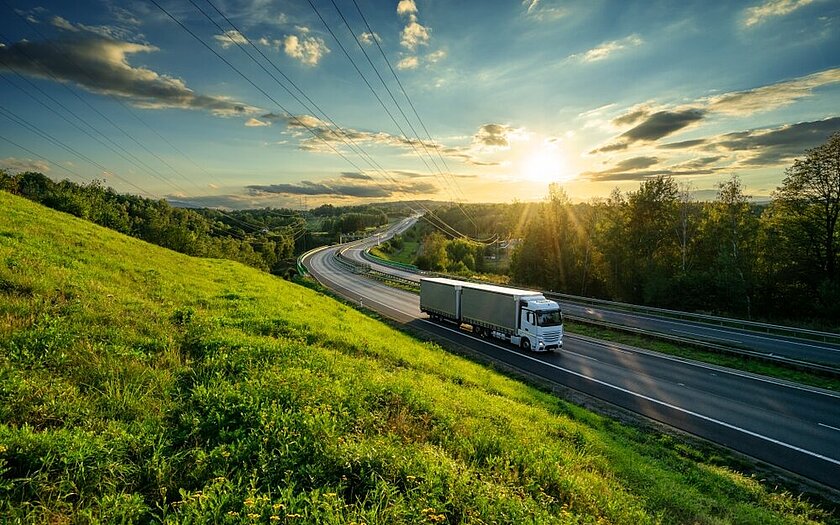
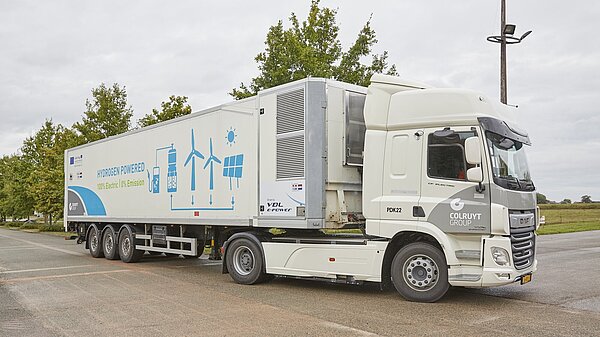
Making heavy goods transport more sustainable requires new, reliable technologies. Within Green Transport Delta – Hydrogen (GTD-H), 19 partners collaborated on hydrogen innovations for sustainable mobility. The project ran from 1 September 2021 to 31 December 2025 and delivered valuable technological outcomes that form an important basis for further development and upscaling.


Hydrogen innovations for sustainable mobility

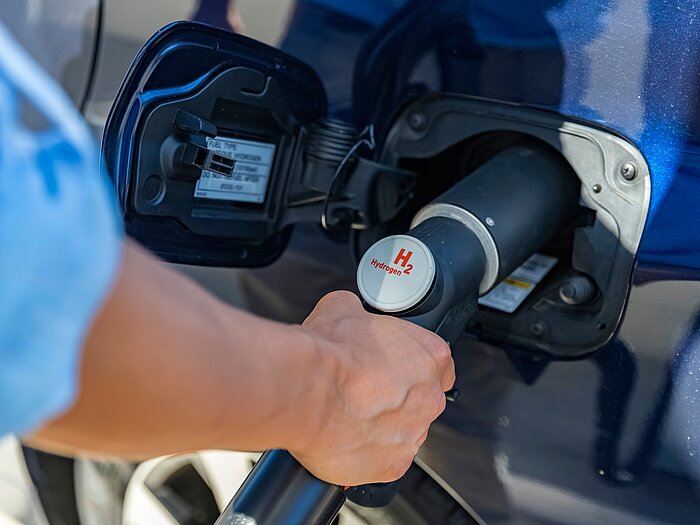
Within GTD-H, companies and research organisations developed and tested three hydrogen technologies: hydrogen internal combustion engines, fuel cell systems and hydrogen refuelling infrastructure technology. The innovations focus on applications in heavy road transport, shipping and mobile machinery. In doing so, the partners took into account the technical requirements of end-users, legislation and regulations, and market developments.
The collaboration strengthened the Netherlands’ position as a centre of expertise and offers opportunities for further technological and economic development. For the next step, the availability and affordability of sustainable hydrogen and a reliable infrastructure are essential. That is why Brainport, through its new ‘Energy Systems’ programme, is focusing on solutions that bring together mobility, energy and industry.

Impact on sustainable mobility and innovation

Through GTD-H, businesses and research organisations have taken significant steps together in the development of hydrogen technology for sustainable mobility. The collaboration between large enterprises, SMEs and research organisations has strengthened the Dutch innovation ecosystem and yielded new technological knowledge and testing opportunities.

The results offer opportunities to further strengthen the international competitive position of the Dutch hydrogen sector. They also form a basis for future economic activities and production in the Netherlands. To capitalise on these opportunities, further development, investment and favourable market conditions are required. The availability and affordability of sustainable hydrogen, together with a reliable infrastructure, play a key role in this regard.

Innovations in this project

Led by DAF Nederland, the project partners worked on four technological developments: The project yielded working demonstrations, new measurement solutions and valuable insights. These results form a basis for further development and potential commercial applications. Find out what results the collaboration has yielded and what steps are needed to bring the innovations to market.

  • Hydrogen injection systems: a flexible injection system to adapt existing natural gas and diesel engines for hydrogen, including for road transport and shipping.
  • Hydrogen combustion engines: development and testing of engines for lorries, inland waterway vessels and mobile power supplies.
  • Fuel cell systems: development of a modular Solid Oxide Fuel Cell (SOFC) system and research into the impact of varying loads on the degradation of Proton Exchange Membrane Fuel Cells (PEMFCs).
  • Hydrogen refuelling infrastructure: development and field testing of flowmeters and calibration technologies for the accurate and reliable measurement of hydrogen.
View the results of GTD-H
Schema met waterstofrichtingen: motoren (H2-ICE), brandstofcellen (FC) en tankinfrastructuur (INFRA).Schema met waterstofrichtingen: motoren (H2-ICE), brandstofcellen (FC) en tankinfrastructuur (INFRA).

Waarom waterstof belangrijk is voor zwaar transport

Waterstof biedt kansen om zwaar transport te verduurzamen, vooral bij toepassingen die veel vermogen vragen. Maar wat is er nodig om waterstof op grotere schaal in te zetten? Ontdek in de video welke rol waterstof kan spelen in de toekomst van zwaar transport.

Projectpartners

Raster met logo's van projectpartners, waaronder DAF, Prins, TNO en TU/e.Raster met logo's van projectpartners, waaronder DAF, Prins, TNO en TU/e.

News & results