Observing the world: from automated driving to the nanoscale
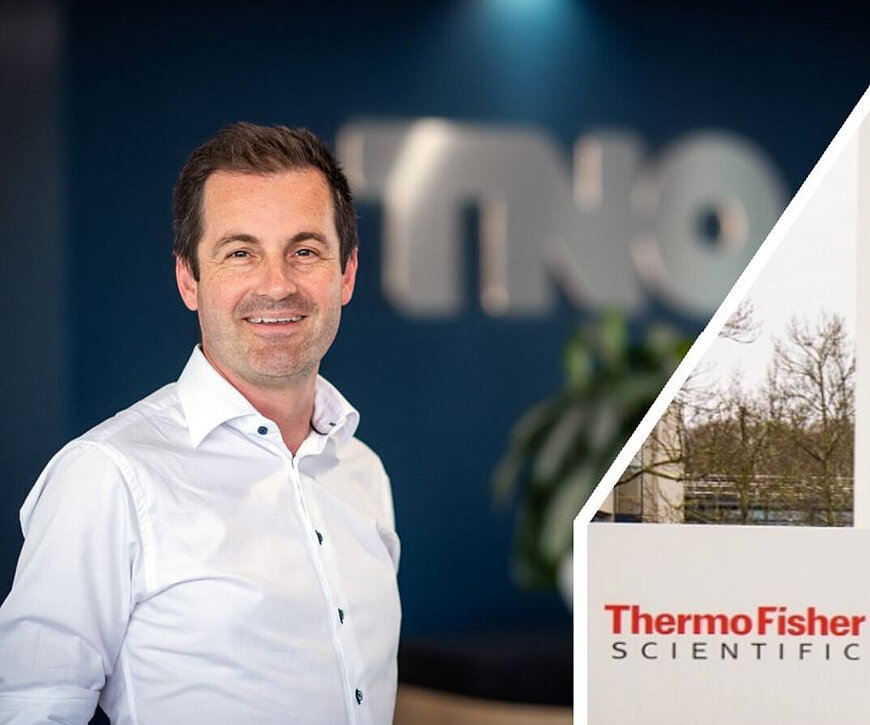
After more than a decade of working on automated driving at TNO, Dr. Ir. Maurice Kwakernaat decided to follow his curiosity into a completely new field: electron microscopy. Today, as Director R&D at Thermo Fisher Scientific in Eindhoven, he leads international teams that develop next-generation scanning electron microscopes (SEMs).
From connected driving to nanotechnology
Maurice’s career began in telecommunications and radar systems, later evolving into the world of automated and connected vehicles at TNO. “That period was about interaction between humans, vehicles and infrastructure,” he explains. “At TNO, we explored how connected systems could make mobility safer, cleaner and more efficient.”
The work was groundbreaking: together with partners such as DAF, NXP and TNO, he helped shape innovations like truck platooning and vehicle-to-vehicle communication — key steps toward automated driving. But after several years, a new question arose: what else could I observe and improve?
That curiosity led him to Thermo Fisher Scientific, one of the world’s leading innovators in electron microscopy and imaging technology. “On the surface it’s a huge shift, from highways to the nanoscale. But in essence, my work still revolves around observation and system integration. Only now, instead of cars, I look at atoms.”
A region that fuels innovation, and confidence
Maurice lives in Son en Breugel, just outside Eindhoven. “It’s the perfect balance between technology and tranquility,” he says. “You’re surrounded by high-tech companies like ASML, NXP and Philips, yet close to nature and a community that feels grounded. The accessibility, the quality of life, it all fits.”
He sees Brainport Eindhoven as a place that naturally encourages growth and exploration. “This region gave me the confidence to make a bold career switch,” he explains. “There’s so much happening here: from startups to global research institutes, that you know: even if one path doesn’t fit, there are many others waiting. That sense of opportunity is unique to Brainport.”
“Brainport gave me the confidence to take a leap into a completely new field. The ecosystem here is so dynamic that it makes change feel like opportunity, not risk.”
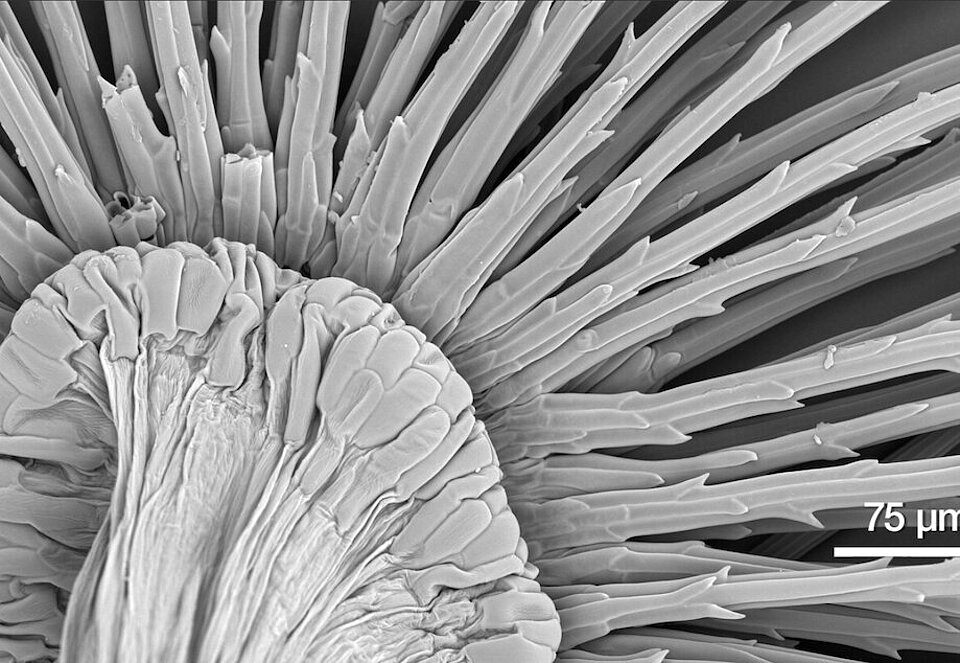
Leading teams that make science visible
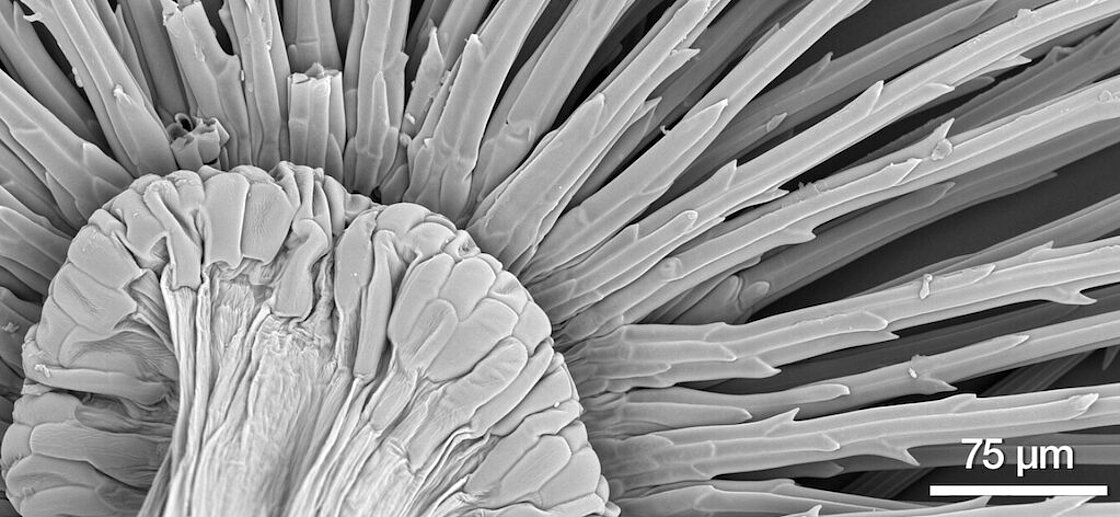
At Thermo Fisher, Maurice leads teams working on compact yet powerful electron microscopes that are used by researchers and industry leaders worldwide. “What makes it special is how multidisciplinary it is; physics, electronics, software, design, all coming together in one product,” he says.
He is especially proud of the Pharos G2 FEG SEM and the Phenom XL G3 Large Chamber SEM, two systems that mark a new step in performance and usability. “They make high-quality imaging more accessible, unlocking new possibilities in materials science, life sciences, and semiconductors, and thereby contributing to the advancement and well-being of society as a whole. It’s amazing to see that something developed in Eindhoven can have global impact.”
His advice to new talents in Brainport
Maurice encourages international professionals and students to actively build and use their network. “Join initiatives that bring companies and researchers together. Learn from others, from their successes and setbacks, and share your own experiences. That’s how innovation really happens here.”
He also stresses the importance of balance. “Take part in sports or social activities,” he adds. “That’s where you meet people from different backgrounds, unwind after work, and feel part of the community.”