Mechatronics and optomechatronics in Brainport Eindhoven
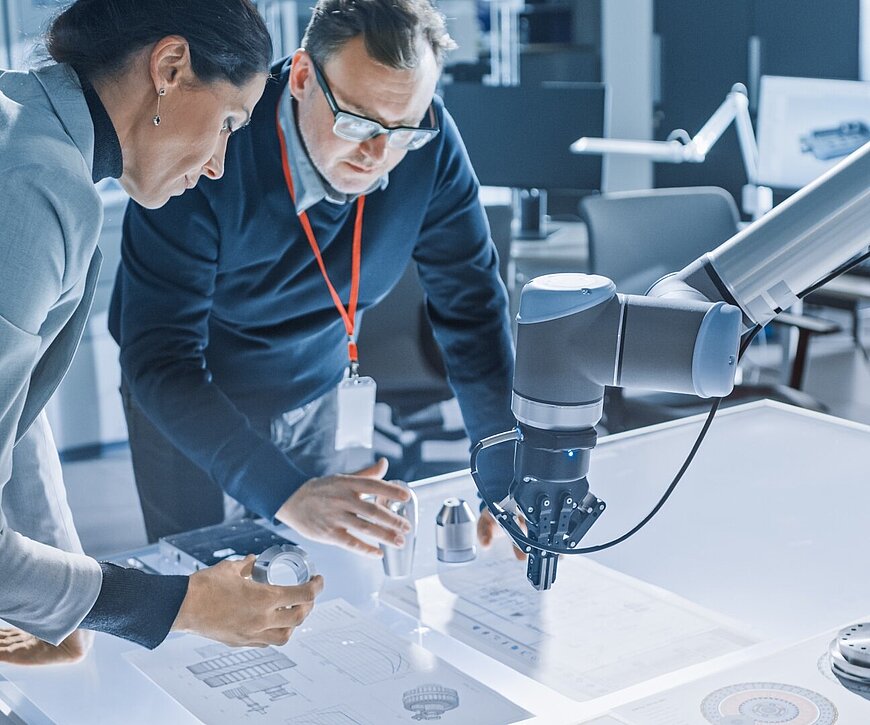
Building machines that can move, measure and position with extreme precision requires more than one field of engineering. Mechatronics brings mechanics, electronics, software and control systems together. Optomechatronics adds optical technology, enabling machines to measure and operate at even greater levels of precision.
A recent Welcome to NL series explores the Dutch mechatronics and optomechatronics sector, careers in the field and the trends shaping its future. Within this national ecosystem, Brainport Eindhoven brings together companies, suppliers, researchers and educational institutions working across these disciplines.
Where different technologies come together
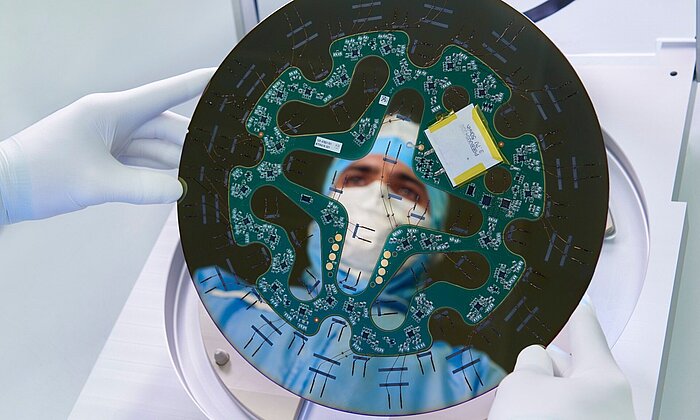
Mechatronics is about designing a machine as one integrated system rather than developing its mechanical, electronic and software components separately. Optomechatronics takes this further by combining mechatronic systems with optics, for example to measure position, orientation or surface structures.
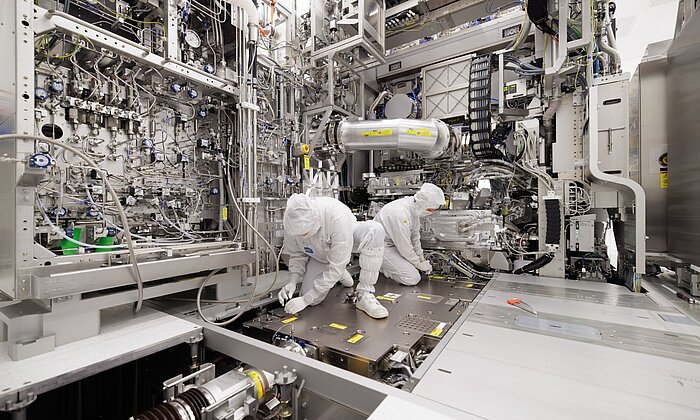
These combinations are important in technologies where small differences can have a major impact. Semiconductor equipment is one example. Manufacturing increasingly advanced chips requires machines capable of exceptional accuracy, bringing together motion systems, control, measurement and optics. But the applications extend much further. Mechatronics and optomechatronics are also used in scientific instruments, healthcare technology, robotics, automation and advanced manufacturing.
Brainport Eindhoven provides an environment where many of these disciplines meet. Companies such as ASML, Philips and NXP operate alongside a network of specialised high-tech suppliers. Locations including High Tech Campus Eindhoven and Brainport Industries Campus bring companies and expertise together, while Eindhoven University of Technoogy (TU/e) connects research and education to the ecosystem.

Building complex systems together
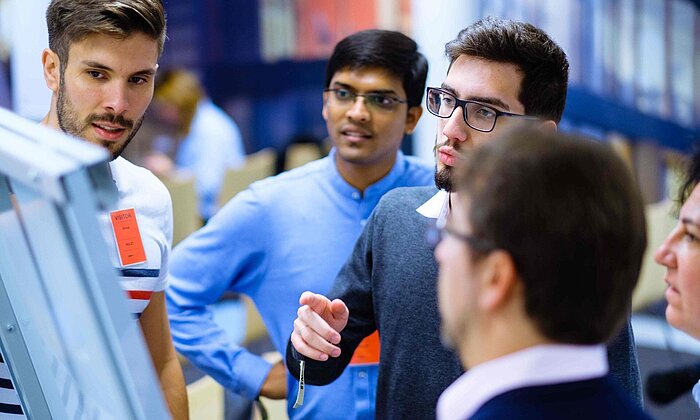
Few advanced machines are developed by one organisation alone. Mechatronics depends on different areas of expertise coming together, from precision mechanics and motion control to electronics, software and optics. This creates an interconnected ecosystem in which companies and research organisations contribute different technologies and capabilities to increasingly complex systems.
This is clearly visible in Brainport Eindhoven. ASML develops lithography systems that depend on highly precise mechatronic and optomechatronic technologies, while Philips applies precision engineering in healthcare technology. VDL Enabling Technologies Group (VDL ETG) develops advanced manufacturing solutions and complex mechatronic systems, and Prodrive Technologies combines electronics with mechatronics at scale.
Other organisations bring different expertise to the field. Aircision develops optical wireless communication technology, showing how optics, engineering and entrepreneurship can come together. Applied research also plays an important role, with TNO contributing expertise in optomechatronics and helping connect research with technological challenges from industry.
Collaboration between these different areas of expertise is particularly important as systems become more complex. As Ton Peijnenburg, Deputy General Manager (CTO) at VDL ETG, explains: “The tight-knit ecosystem of mechatronics expertise creates collaborative opportunities.”
Together, these examples show that mechatronics is not one technology or one industry. Its strength lies in connecting different disciplines and capabilities to solve complex engineering challenges.

Studying and working in mechatronics
The multidisciplinary nature of mechatronics creates opportunities for people with different technical backgrounds. Engineers may work on precision mechanics, optics, embedded software, systems integration, robotics or automation, often collaborating across several of these disciplines.
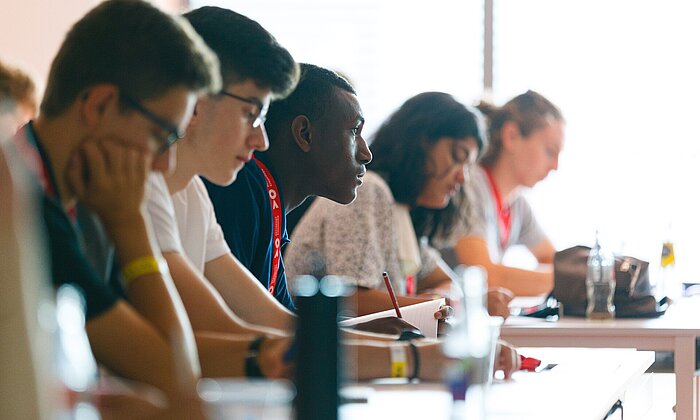
The region also offers different routes into the field. Fontys University offers a BSc in Mechatronics, while Eindhoven University of Technology (TU/e) provides specialised education in areas including mechatronic systems design and precision engineering.
As technologies develop, the skills companies need are changing too. AI, computer vision and data science are increasingly being combined with engineering expertise. This creates opportunities for specialists who understand their own discipline deeply, while also being able to work with experts from other fields.
Trends shaping the future
Several developments are changing how mechatronic and optomechatronic systems are designed and used.
AI is increasingly becoming part of system design, robotics and automation. Digital twins and model-based systems engineering can help engineers simulate and validate complex machines. At the same time, developments in semiconductor equipment, metrology and nanoscale precision engineering are pushing the limits of how accurately machines can move and measure.
These trends have something in common: technologies are becoming more connected. Mechanics interacts with electronics and software. Optics connects with precision engineering. AI connects digital intelligence to physical machines.
Brainport Eindhoven brings many of these connections together. Companies develop and manufacture complex systems, educational institutions build new expertise, and specialised suppliers contribute technologies that become part of larger machines.
For students and international professionals, this creates different ways to become part of the field, from designing precision systems and developing software to working with optics, AI, robotics or advanced manufacturing.
In Brainport Eindhoven, mechatronics shows what can happen when different disciplines do not work separately but become part of one system.