Imaging technologies in Brainport Eindhoven: from pixels to impact
Imaging technologies help us see what would otherwise remain hidden. From medical diagnostics and AI-powered image analysis to semiconductor inspection, imaging turns complex data into insights that can improve healthcare, technology and industry.
A recent Welcome to NL series explores the Dutch imaging sector, careers in the field and the trends shaping its future. Within this national ecosystem, Brainport Eindhoven brings together a distinctive combination of medical imaging, precision metrology, AI and semiconductor technology.
Where medical imaging meets precision technology
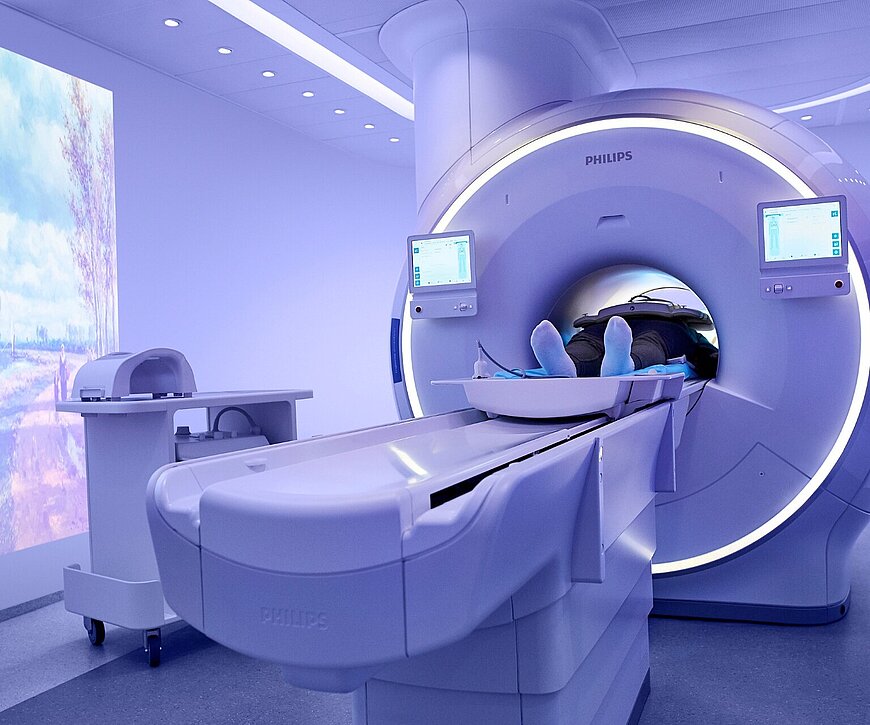
Eindhoven has a long history in imaging. Philips began working with X-ray technology more than a century ago and today develops medical imaging technologies including MRI and image-guided intervention systems.
One example is helium-free MRI. Conventional MRI systems require large quantities of helium to cool their magnets. Philips' BlueSeal technology greatly reduces this requirement, opening up possibilities for installing MRI systems in locations where this was previously more difficult.
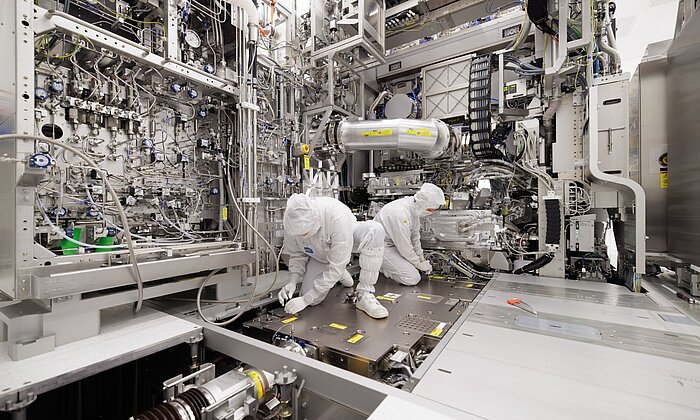
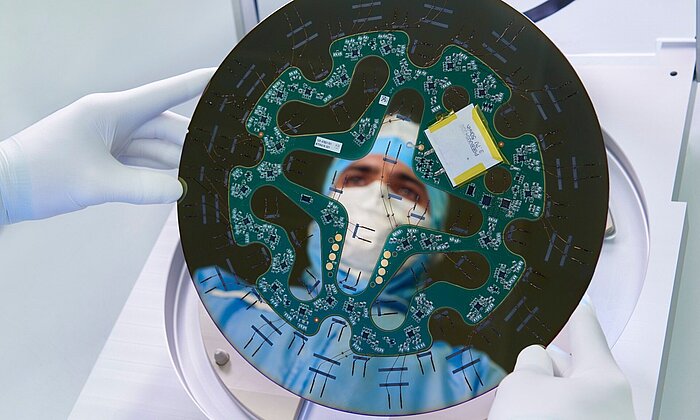
Imaging in Brainport also extends beyond healthcare. ASML uses precision metrology imaging in semiconductor technology, where extremely accurate measurements are essential. Quantum Delta NL's activities around sensor technology add another dimension to the field.
This combination makes Eindhoven a place where medical imaging and industrial metrology come together.

Innovation happens between disciplines
Imaging increasingly combines hardware, software, physics, biology, engineering and artificial intelligence.
Brainport-based Chromodynamics BV is one example. The company develops spatial biology platforms that combine fluorescent dyes, automated microscopy and AI software for pharmaceutical tissue analysis.
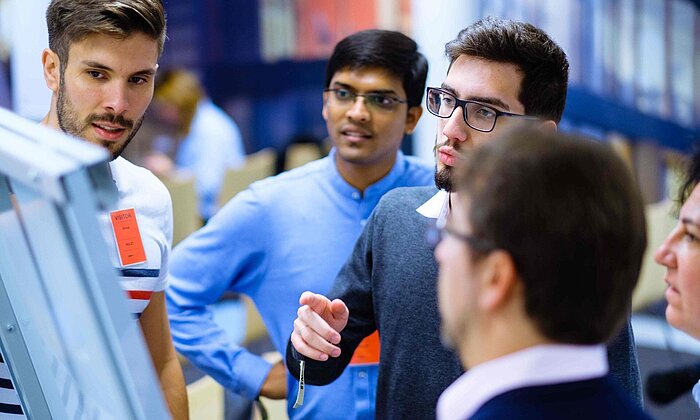
Its multidisciplinary team reflects how imaging innovation works in practice. As founder Wouter Vijvers explains: “I think it's more interesting to work in a multi-faceted team. Hardware engineers, biologists, software engineers, and so on.”
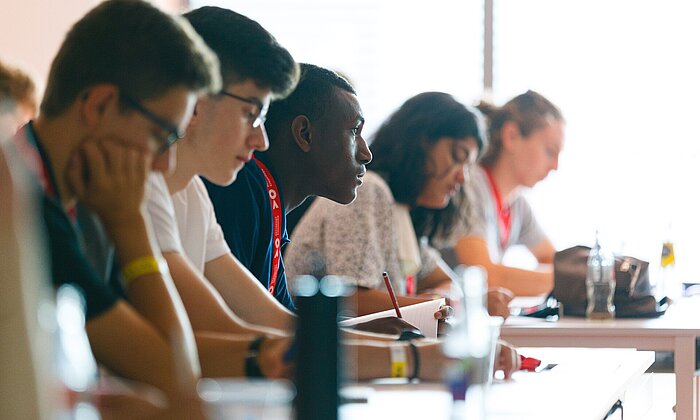
Education and research are part of this environment too. At Eindhoven University of Technology (TU/e), Biomedical Engineering connects engineering with areas including AI and clinical sciences, helping develop expertise for the next generation of imaging technologies.

Working in imaging technology
This variety also creates different career paths. Opportunities range from hardware and software engineering to AI, clinical applications and metrology research.
For international professionals, Brainport offers an interesting intersection. Medical technology and semiconductor technology may have very different applications, but both depend on advanced engineering, accurate imaging and increasingly sophisticated data analysis.
AI is becoming particularly important. As imaging systems generate larger and more complex datasets, algorithms can help reconstruct images, identify patterns and extract useful information. This increases demand for people who can connect imaging expertise with software and AI.
Trends shaping the future of imaging
AI-powered analysis is only one development changing the sector. Other trends include accelerated MRI reconstruction, portable and point-of-care ultrasound, autonomous imaging, digital health and image-guided interventions.
Together, these developments point towards imaging that is more precise, intelligent and accessible.
Brainport Eindhoven brings several of these developments together. Philips connects medical imaging with technologies such as helium-free MRI and image-guided interventions. ASML connects imaging and precision metrology with semiconductor technology. TU/e contributes knowledge and talent, while companies such as Chromodynamics show how imaging can intersect with biology and AI.
It is this ability to connect disciplines that gives imaging technology its wider impact. Whether the goal is to look inside the human body, analyse biological tissue or achieve extreme precision in semiconductor technology, imaging helps turn data into understanding.
And in Brainport Eindhoven, that happens through collaboration between people and organisations working across technological boundaries.